Our Tractics CEO, Tyler VanWinkle, recently joined the Build America Podcast to talk about what heavy civil construction software is getting wrong — and what field-first construction management tools should look like instead.
Hosted by Kerry Smith Buck of Construction News and Review (CNR), the conversation went straight to the core of what drives us: building better systems for the people who are doing the work.
This wasn’t a features conversation.
It wasn’t a tech trend conversation.
It was a reality conversation.
About trust.
About field operations.
About why heavy civil construction deserves tools that work the way crews actually work — from the jobsite to the office.
If you’re evaluating civil construction project management software or questioning whether your current tech stack truly supports field productivity, this episode gets into what’s missing, why it’s been missing, and what it looks like to rebuild the foundation with the field in mind.
The “Ball of Christmas Lights” Problem
The origin story of Tractics begins with a contractor in Iowa who described his technology stack like this:
“My technology’s a ball of Christmas lights.”

Nine different systems. Twelve different workflows. Data living everywhere. No clarity on where it started. No visibility into where it went. And very little confidence in whether any of it could be trusted.
That’s the reality many heavy civil teams face when they’ve collected tools over years: construction project management software here, spreadsheets there, separate fleet systems, disconnected time tracking apps.
The result isn’t more control. It’s more confusion.
To understand project status, leadership had to physically go to the jobsite.
That was the turning point.
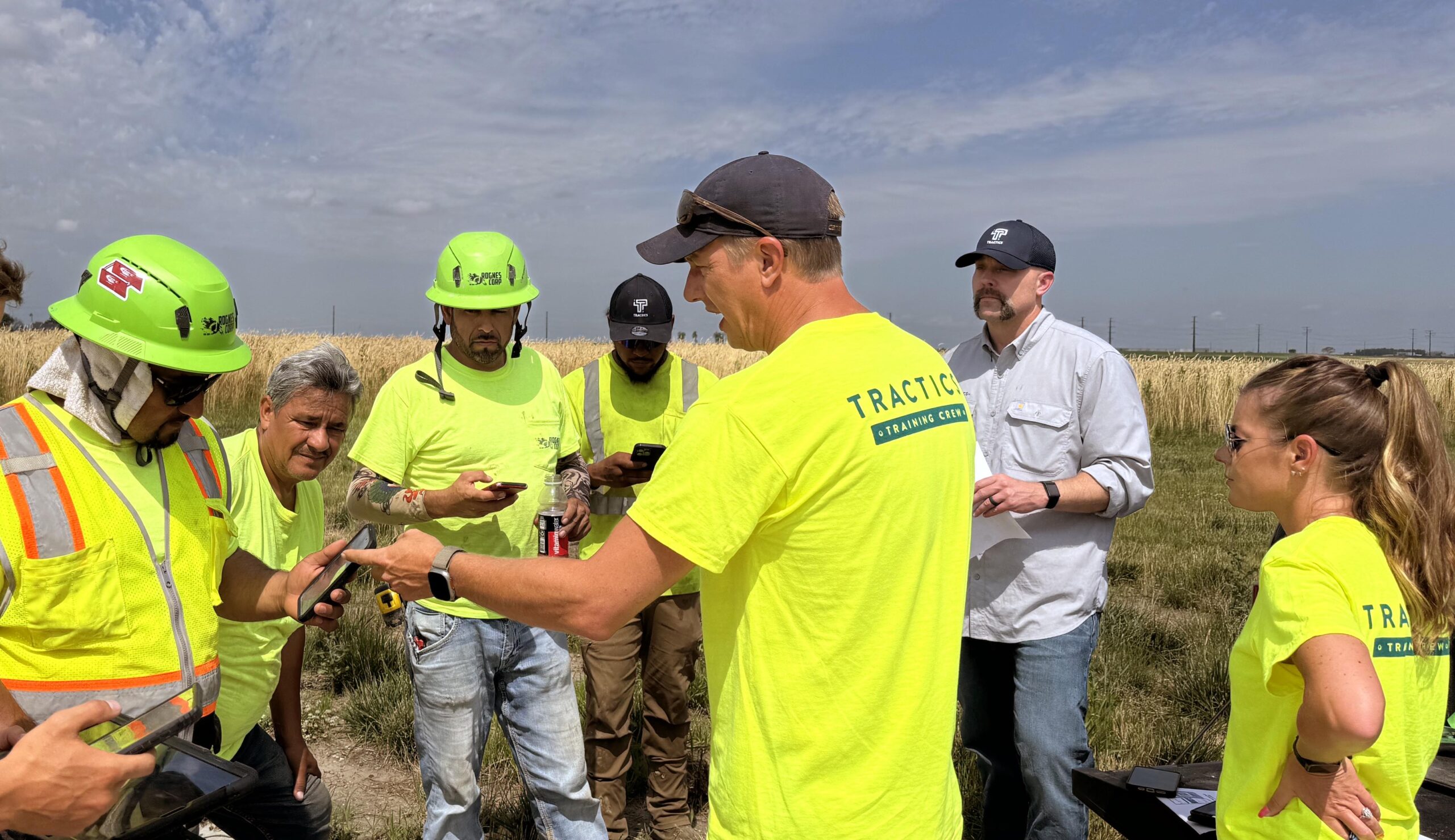
When our Tractics Crew went to see it firsthand, the issue wasn’t simply messy software — it was a broken data narrative. Projects were generating information daily, but without alignment, ownership, and continuity, it didn’t add up to a reliable picture of progress.
Construction didn’t need more tools.
It needed coherence.
Building Construction Software From the Field Up
One of the biggest disconnects in construction technology is where software is designed versus where the work actually happens.
For decades, many systems have been built from the office outward:
- The CFO needs reports.
- The project manager needs status updates.
- A spreadsheet gets created.
- The field is told to fill it out.
But the data starts in the field.
Foremen are coordinating crews, managing truck cycles, adjusting to site variables, operating heavy equipment, and navigating unpredictable conditions. Then at the end of the day, they’re handed what Tyler described as an “upside-down spreadsheet.”
There’s a wide gap between running an excavator and running Excel.
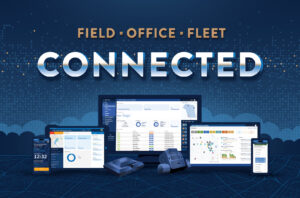
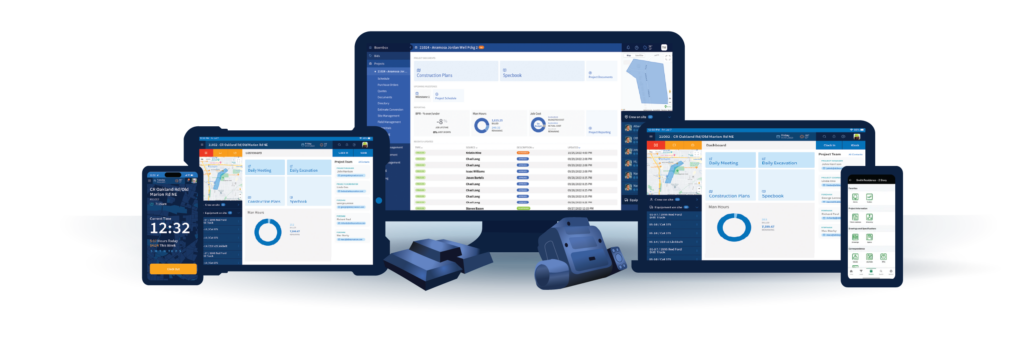
Tractics was built by reversing that model — as field management software designed around how work happens on a heavy civil jobsite, while still supporting the reporting needs of the office.
If you’ve ever tried to roll out field management software and watched adoption stall because it didn’t match how crews work, you know exactly why this matters.
Instead of asking, “What does the office want to see?”
We asked, “What does the field need to operate effectively — and how can the right data flow naturally from the work”?
That shift changes everything.
A Platform That Connects Scheduling, Resources, and Project Reality
In the episode, Tyler talks about the “red thread” running through every project — from estimate to execution to accounting.
That thread breaks when teams bounce between systems for:
- Construction Scheduling Software
- Field Crew Scheduling
- Time Tracking
- Quantities
- Equipment Tracking
- Daily Reporting
Modern construction operations don’t need more one-off tools. They need connected workflows that support:
- Construction scheduling that reflects what’s happening in the field
- Labor planning aligned with real constraints
- Resource management tying people and equipment to production outcomes
- Construction project tracking without a daily spreadsheet ritual
Heavy civil projects move fast. Conditions change. Production shifts.
The software managing them can’t be static.
Why Civil and Heavy Civil Require a Different Approach
Heavy civil construction operates under a different set of rules.
Many projects are public works. Many are low-bid. Many are measured and paid on unit items. And success often comes down to production rate — not just budget totals.
That’s why heavy civil construction software cannot simply be repurposed from vertical construction platforms.
If you’re evaluating project management software for civil construction teams, the difference becomes clear quickly:
- Production tracking matters more than polished dashboards.
- Quantities and unit cost visibility matter daily.
- Equipment utilization directly impacts profitability.
- Field adoption determines whether the data is usable at all.
Heavy civil doesn’t adapt well to office-first systems. The tools have to adapt to the field.
Eliminating Blind Spots: Time, Quantities, and Jobsite Visibility
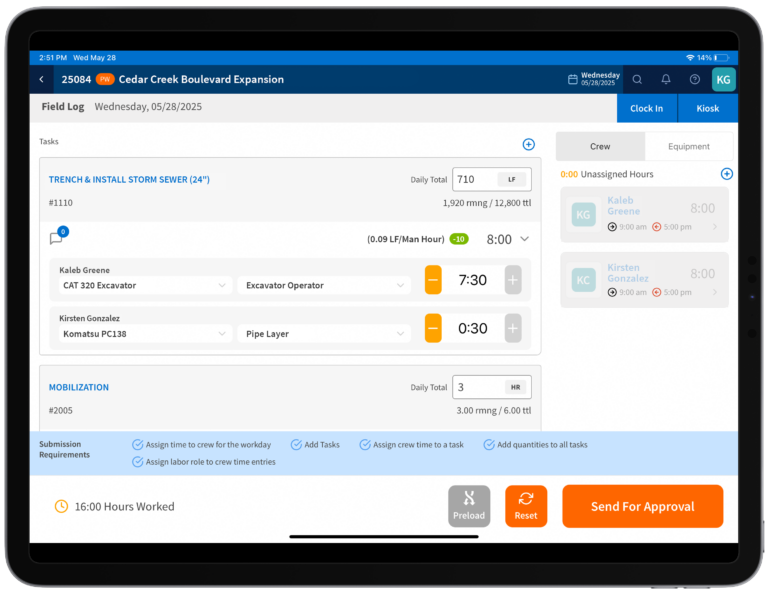
One of the most persistent blind spots in heavy civil is quantity reporting and production visibility.
Not because teams don’t care — but because production comes first.
When construction time tracking, quantity reporting, and daily logs live in separate systems, documentation becomes secondary. Context disappears. Accuracy suffers. The office makes decisions based off incomplete signals.
Tractics connects the pieces that traditionally sit in different tools:
- Construction time tracking tied to work completed
- Daily quantities with context behind production shifts
- Equipment and truck activity
- Field notes that explain why numbers changed
- Construction site management signals leadership can actually act on
This is what turns raw input into construction productivity — because productivity isn’t just what got done.
It’s what got done, what it took, and what changed.
For teams managing multiple jobs, better jobsite visibility reduces the need for reactive site visits and guesswork.
Fleet Management Is Part of the Project Story
Heavy civil projects live and die by equipment and trucks.
Project status conversations inevitably include the fleet:
- What equipment is on site?
- What’s active versus down?
- What’s being used and where?
- What’s moving next week?
Construction fleet management and fleet tracking tools often exist in isolation from project management systems. That separation creates another disconnected string of Christmas lights.
When fleet data connects directly to production, quantities, and labor, leadership sees the full story:
- Equipment utilization tied to output
- Downtime tied to cost impact
- Fleet allocation aligned with schedule
Fleet management shouldn’t be a separate narrative. It should be part of the same operational thread.
Modern Workforce Tools:
GPS, Geofences, and Real-World Time
As jobsite complexity grows, so does the need for mobile, accurate, field-friendly workforce tools.
Many heavy civil contractors now evaluate:
- GPS time tracking for construction crews
- Geofence time clock systems
- Mobile workforce management tools
- Employee jobsite location tracking
Not as a surveillance tactic — but as a practical way to reduce disputes, verify presence, and improve reporting accuracy across multiple spreads.
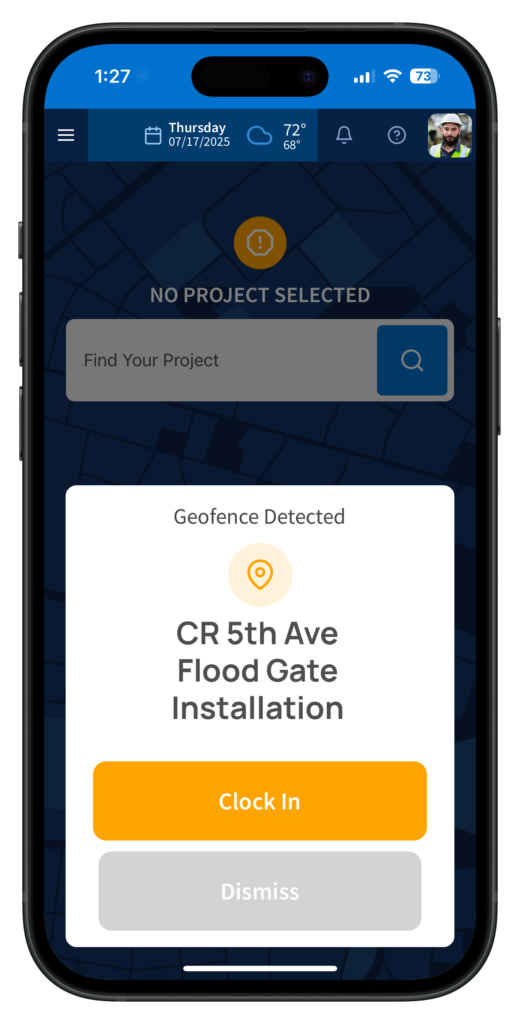
When time, location, and production data connect cleanly, reporting becomes more accurate without turning foremen into administrators.
That’s the difference between compliance tracking and operational clarity.
Adoption Starts With Respect
Software adoption in construction fails when it ignores the end user.
Tractics spent nearly three years working directly on jobsites alongside foremen, dirt crews, pipe layers, and concrete teams. When something didn’t work, the feedback was clear:
“This isn’t good.”
“We’re not going to use this.”
Instead of forcing it, we listened. We returned with changes. We iterated. We refined.
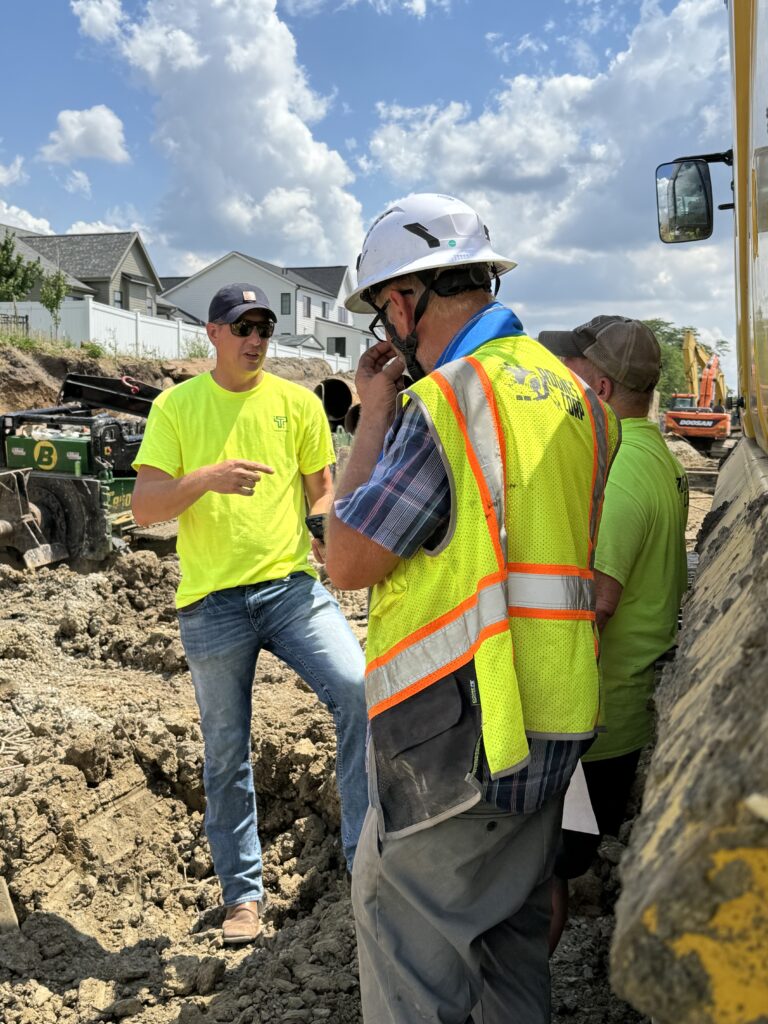
Over time, trust formed.
And when trust forms, adoption follows.
In many cases, Tractics saves foremen 15–20 minutes per day in reporting and documentation. That time compounds across crews, weeks, and projects into meaningful operational gains.
But more importantly, it reinforces something fundamental: the field’s time and expertise matter.
The Bigger Picture: Trust Before AI
As construction technology evolves, it’s natural to talk about predictive analytics and AI. But Tyler makes a key point: none of that works without trustworthy input.
Machine learning isn’t magic. It’s only as good as the data it learns from.
If jobsite data has been unreliable for years because tools weren’t built for the field, the first step isn’t “more AI.”
The first step is building trust, consistency, and usability into the workflow — so the data is worth analyzing in the first place: the “red thread,” Tyler mentions.
If you’re evaluating heavy civil construction software and wondering whether your current systems are helping or complicating your operations, this episode is a good place to start.
And if the “ball of Christmas lights” feels familiar — let’s untangle it.
-The Tractics Crew