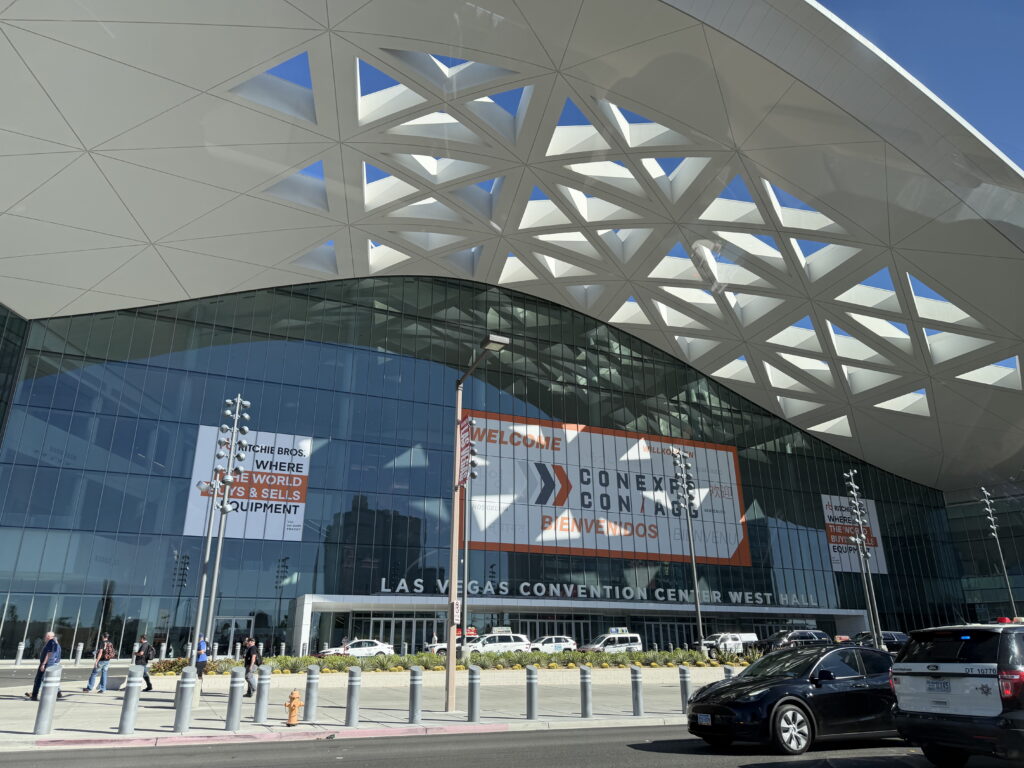
Every three years, the construction industry gathers in Las Vegas for CONEXPO-CON/AGG, North America’s largest construction trade show.
The Las Vegas Convention Center transforms into miles of iron, hundreds of construction technology booths, and thousands of contractors walking the floor comparing equipment, construction technology, and solutions.
But the real value of CONEXPO isn’t just the scale of the machines.
It’s the conversations happening between contractors trying to solve the same operational challenges.
After spending the week talking with heavy civil contractors across the show floor, one theme kept surfacing:
Contractors aren’t looking for more tools.
They’re looking for continuity across their operations.
Because heavy civil construction doesn’t run inside isolated systems — it runs through a chain of activity that connects every part of the job:
- Crew hours
- Equipment usage
- Production quantities
- Job costs
- Compliance reporting
- Billing
When that chain breaks, margins disappear, and that’s exactly the problem many contractors told us they’re trying to solve.
The Scale of CONEXPO Shows Where Construction Is Headed
CONEXPO-CON/AGG brings together more than 140,000 construction professionals and thousands of exhibitors every three years.
Few events offer a clearer snapshot of where the construction industry is heading.
Contractors attend CONEXPO to:
- Compare equipment and construction technology side-by-side
- Speak directly with manufacturers and software developers
- See how peers are solving operational challenges
- Understand what innovations are shaping the future of construction
And this year, one topic surfaced again and again:
How jobsite activity connects to the rest of the business.
Top Takeaways from CONEXPO-CON/AGG 2026
Contractors walking the floor at CONEXPO 2026 consistently pointed to a few major trends shaping the future of construction technology.
- Jobsite data is becoming the backbone of operations
Contractors want clearer visibility into labor, equipment, and production while work is happening. - Operational systems must connect the entire job
Crews, machines, production tracking, and job costing need to flow together instead of living in separate systems. - Contractors are looking for operational clarity
Project managers want to see the full picture of what’s happening across jobs without chasing down reports. - Reliable field data is becoming a competitive advantage
Companies that capture accurate jobsite activity can make faster decisions and control costs more effectively. - Simplicity and usability are replacing feature overload
Contractors increasingly favor tools that fit real construction workflows.
These themes came up again and again in conversations with contractors across the show floor.
Trend #1: Construction Operations Are More Connected Than the Software Used to Manage Them
Heavy civil contractors operate in some of construction’s most complex environments.
Multiple crews.
Multiple machines.
Multiple projects running simultaneously.
Every one of those moving parts generates information that affects the job.
The challenge contractors described at CONEXPO wasn’t a lack of technology.
It was the lack of connection between operational systems.
For example:
- A foreman logs crew hours
- Equipment telematics shows machine runtime
- Production quantities get reported later in the week
- Payroll tries to reconcile everything afterward
- By the time those pieces come together, the job has already moved on
What contractors increasingly want is a clear operational thread connecting the entire project — from the work happening on the ground to the systems managing the business.
Trend #2: The Red Thread of Construction Data
The contractors most interested in new technology at CONEXPO weren’t chasing flashy dashboards. They were chasing operational awareness.
That means turning daily jobsite activity into information the entire company can use.
For example:
- A crew logs labor hours.
- Equipment data shows which machines were running.
- Production quantities show how much work was completed.
When those pieces connect, contractors gain something incredibly valuable:
Job context.
Instead of isolated reports, they can see how the job is really performing.
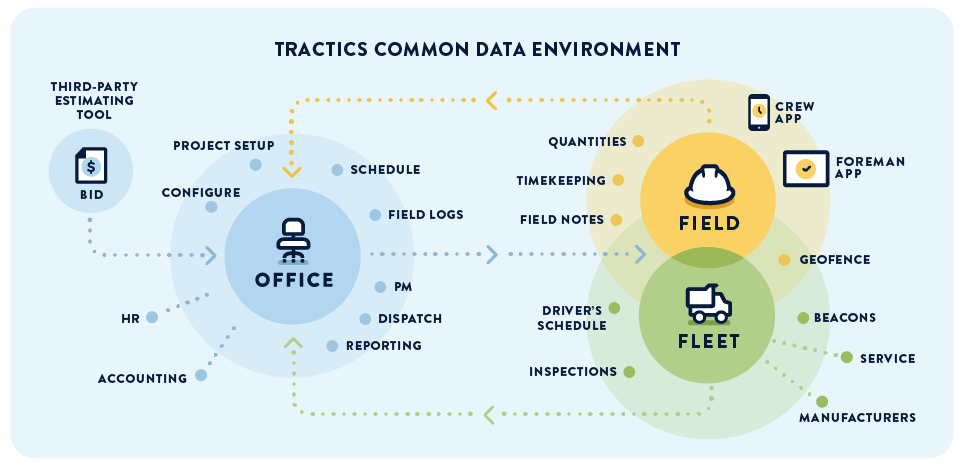
That continuous flow of operational information — from the jobsite to the office — is what many contractors described as the missing link in their current systems.
When this operational thread breaks, contractors lose clarity on what’s happening across the job.
The most valuable construction technology today focuses on keeping that thread intact, allowing activity captured on the jobsite to flow directly into the systems that manage the business.
Why This Matters More in Heavy Civil Construction
Heavy civil contractors operate in environments where small operational differences have major financial impact.
Idle equipment burns fuel and rental costs.
Labor hours without production reduce productivity.
Incorrect operator classifications create payroll compliance issues.
Disconnected information turns job costing into guesswork.
That’s why the most interesting solutions emerging in construction technology today focus on operational continuity — connecting jobsite activity with project and financial management.
Jobsite Data as the New Operational Asset
One of the most important shifts happening in construction technology is how contractors think about jobsite data.
The most valuable platforms today focus on capturing activity once and letting it flow through the operation.
When systems work this way:
- Foremen log work once
- Equipment activity is automatically captured
- Production updates tie directly to crews and machines
- Job costs update without manual reconciliation
Instead of chasing reports, project managers gain real-time operational visibility.
That philosophy is exactly what guided the development of Tractics.
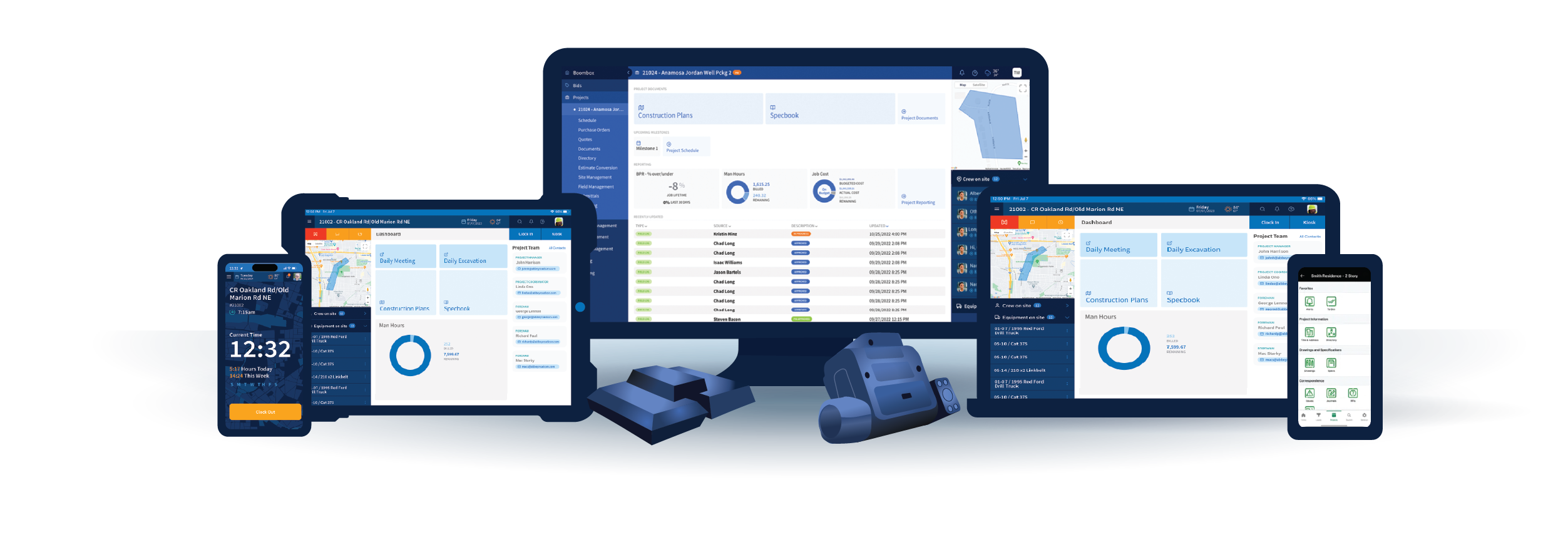
The platform was designed to connect the moving parts of heavy civil construction — crews, equipment, production, and projects — into a single operational picture.
When the work happening on the ground flows directly into the systems managing the business, something powerful happens:
Contractors stop guessing.
They start managing with clarity.
Video: What the Tractics Team Saw on Day 1 of CONEXPO
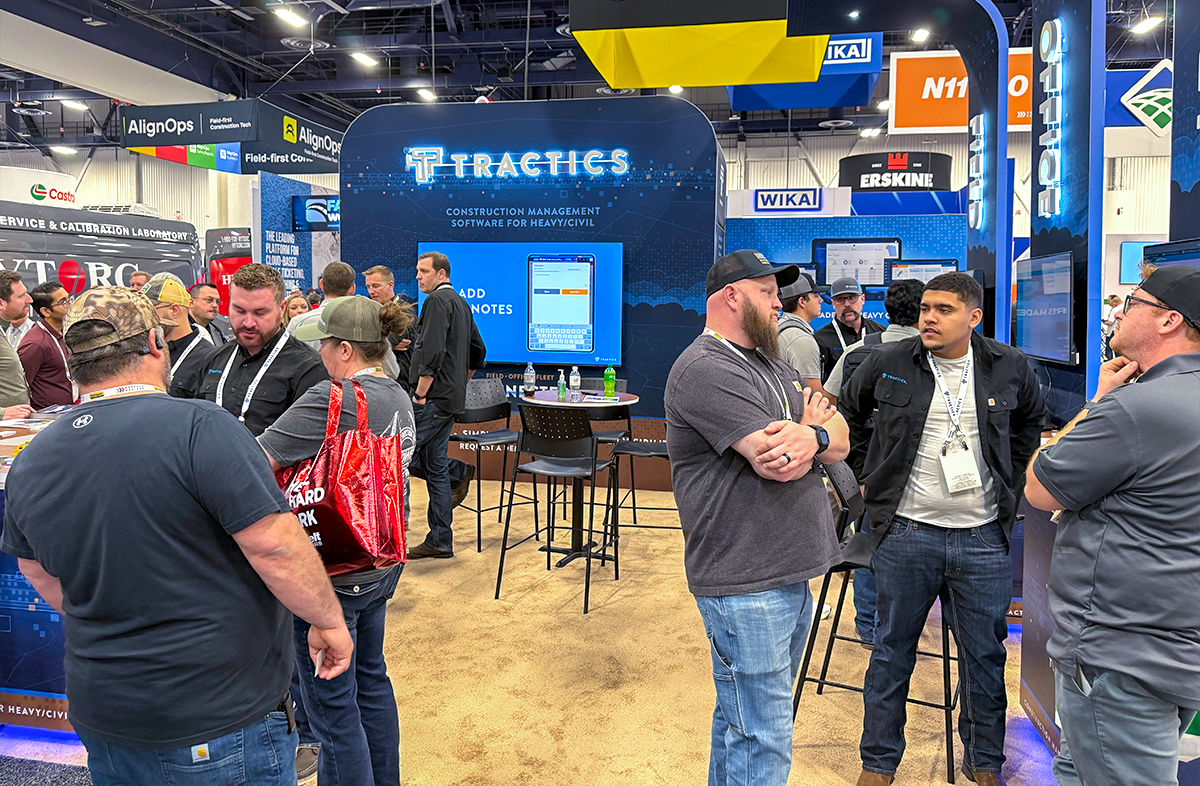
Our team spent the week walking the show floor, meeting contractors, and running live demos of the Tractics platform.
In this quick recap video, the Tractics team shares their Day 1 observations from CONEXPO, including:
- The operational challenges companies still face with outdated technology (or no technology)
- What contractors are saying about the need for clearer operational insight across projects
- How contractors are helping their crews adopt technology that saves time and money
- Why contractors are asking more questions about connecting labor, equipment, and production data
These conversations were happening across the entire show floor — and they reinforced just how important reliable operational data has become for heavy civil construction companies.
Didn’t Get a Demo of Tractics at CONEXPO? Let’s Pick Up Where We Left Off.
Trade shows move fast.
Many contractors stopped by the booth for a quick demo or started a conversation that didn’t have time to go deeper.
If that was you, we’d love to continue where we left off.
In a full walkthrough, we’ll show how Tractics helps contractors:
- Simplify jobsite reporting
- Capture accurate operational data
- Connect labor, equipment, and production
- Improve visibility across projects
Whether you:
- Missed our booth
- Saw a quick demo
- Just learned about Tractics
We’re happy to walk you through the platform and answer any questions you may have along the way.
CONEXPO 2026 FAQ
CONEXPO-CON/AGG is North America’s largest construction trade show, held every three years in Las Vegas. The event brings together construction equipment manufacturers, technology companies, and more than 100,000 contractors from around the world.
Major trends included better jobsite data capture, systems connecting field activity to job costing, simpler construction technology, and improved operational visibility across projects.
Accurate jobsite data helps contractors track labor, equipment usage, and production in real time. When this information flows into operational systems quickly, companies can make faster decisions and better manage project costs.
The Bigger Takeaway from CONEXPO 2026
The biggest lesson from this year’s show wasn’t about flashy technology.
It was about operational clarity.
Contractors want:
- Better visibility across projects
- Simpler operational systems
- Faster decision-making
- Tools crews will use
The companies that solve those challenges will define the next generation of construction technology.
And based on the conversations we had at CONEXPO 2026, contractors are more ready than ever for that shift.
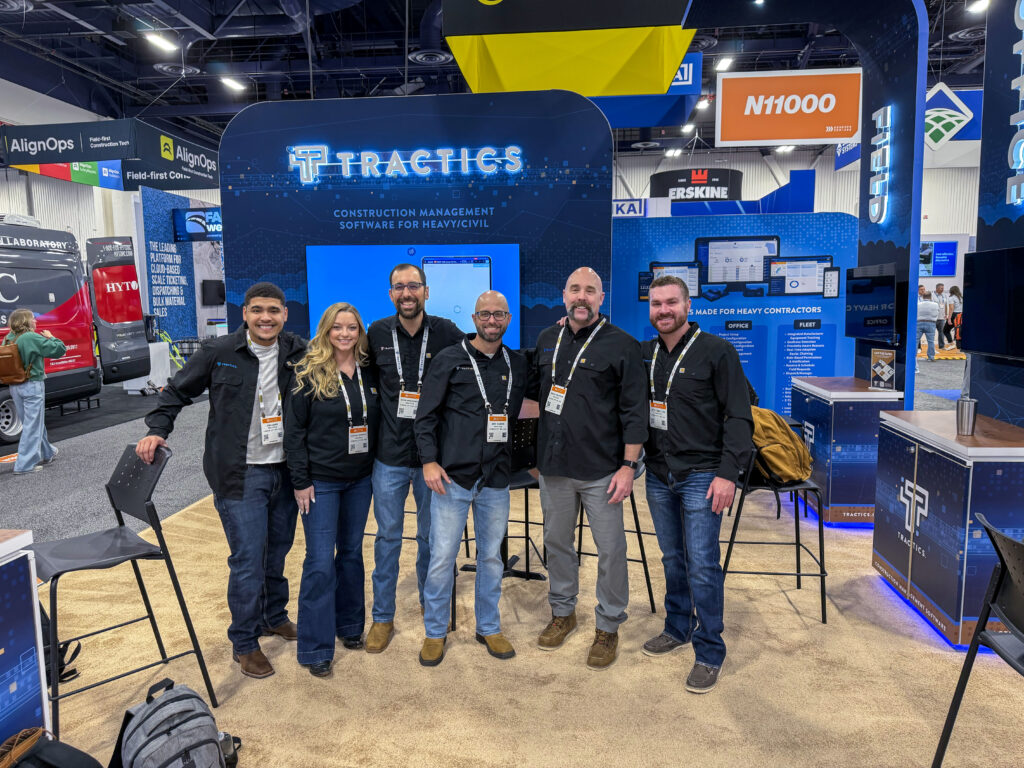
– The Tractics Crew