At Tractics, we see this year as a turning point for construction operations, especially in civil and heavy construction. The conversations have shifted. Contractors are no longer just asking if they should upgrade their operations—they’re asking how fast they can make it happen.
We’re not talking about flashy technology for the sake of it. We’re talking about practical, purpose-built construction management software that simplifies everyday work. Tools that align the field and the office, speed up decisions, and finally break the cycle of chaos created by legacy systems and spreadsheets.
As a company built by people who’ve lived the headaches of civil construction firsthand, we’re excited. Here’s what we’re looking forward to most in 2026—and why it matters to every contractor who’s ready to work smarter, not harder.
1. Construction Tools That Actually Do What You Need
In 2026, we’re seeing contractors move away from bloated software that tries to do everything—but doesn’t do anything well. They’re no longer impressed by endless aIn 2026, we’re seeing contractors move away from bloated software that tries to do everything—but doesn’t do anything well. They’re no longer impressed by endless features they’ll never use. They want tools that do exactly what they need, nothing more—and nothing less.
That’s what we’re focused on at Tractics: building lean, focused construction operations software built around how crews actually work.
What does that look like?
- A clean, mobile-first experience that crews actually want to use
- Instant access to daily logs, timecards, and job
updates—no chasing down paperwork - Simple, powerful dashboards that show you what’s happening
across jobs in real time
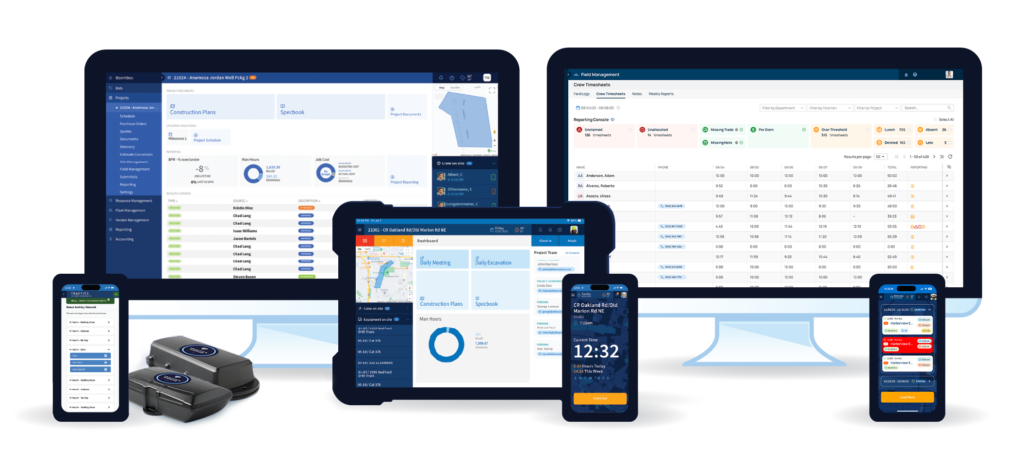
We’ve curated exactly that at Tractics. Take a deeper dive here.
We’re excited to see more contractors rejecting bloated systems and embracing tools that get straight to the point.
2. The End of Spreadsheet Chaos in Construction Operations
Let’s talk about spreadsheets—because we all know they’ve overstayed their welcome.
In 2026, more companies are finally saying goodbye to the disconnected maze of Excel files, manual time tracking, and scattered folders. Why? Because they’re starting to feel just how much those old habits are costing them.
We’re talking about:
- Hours lost re-entering data
- Inaccurate job costing that eats into margins
- Missed production targets because problems surfaced too late
This year, we’re seeing contractors centralize their data, eliminate double entry, and create a single sourse of truth for production, labor, and costs.
Whether it’s tracking production, managing crews, or generating reports—2026 is the year those spreadsheets finally get replaced by systems that work.
3. Real-Time Jobsite Visibility Across Civil Projects
You can’t fix what you can’t see. And in 2026, that’s the mindset driving a major shift toward real-time jobsite visibility.
We’re seeing more contractors investing in tools that give them a live view of what’s happening across all their jobs—without waiting for weekly reports or field calls.
And this shift is huge. It means:
- Spotting production slowdowns before they become delays
- Knowing exactly which crews are where—and what they’re working on
- Making decisions on the fly with confidence, not guesswork
With the right tools in place, your entire team—from foremen to project managers to execs—can stay in sync without the daily scramble.
4. Empowering the Field with Field-First Construction Software (Finally)
For years, the office has had access to tools, systems, and data—and the field has been expected to catch up. In 2026, we’re excited to see that dynamic finally shift.
Contractors are realizing something important: the field isn’t just where the work happens—it’s where success or failure is decided.
That’s why we’re seeing a surge in adoption of field-first mobile tools designed specifically for foremen and crews.
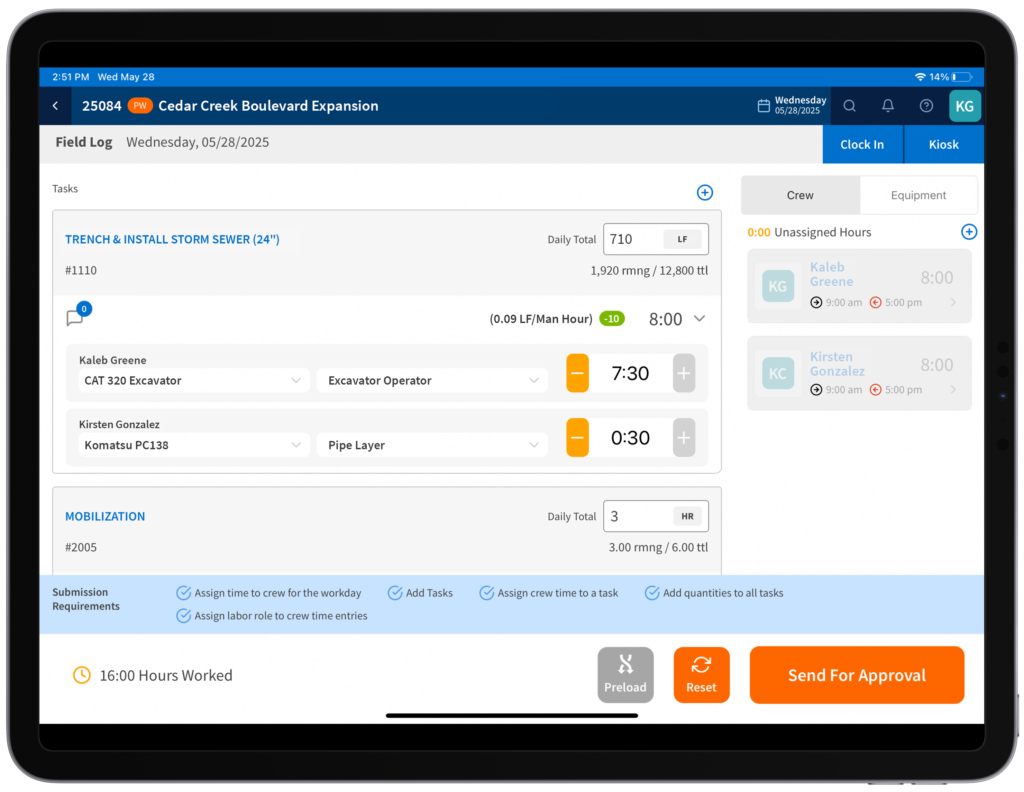
These tools are:
- Easy to use (even for people who “aren’t tech people”)
- Built for fast data entry—photos, notes, quantities, issues
- Syncing instantly with the office, so decisions happen faster
No more calling in updates. No more paper logs sitting in the truck. Just real-time updates, from the people doing the work, delivered where they’re needed.
5. Smarter Resource Planning for Labor and Equipment
With labor still tight and material costs fluctuating, 2026 is pushing contractors to be smarter about how they deploy their resources.
We’re looking forward to helping more teams use data to:
- Plan labor and equipment based on actual production trends
- Track costs and quantities in real time—not after the fact
- Avoid overbooking or under-utilizing crews across jobs
This kind of visibility isn’t just a back-office win—it gives foremen the context they need to run better crews and hit their targets.
6. Automation That Reduces Construction Admin Work
Ask any construction team what they’d love to cut out of their week, and admin work is always at the top.
Timecard entry. Daily logs. Hours spent copying data between systems.
In 2026, automation is stepping in as the quiet hero—eliminating the repetitive stuff that clogs up your day and eats into productivity.
Here’s what we’re excited about:
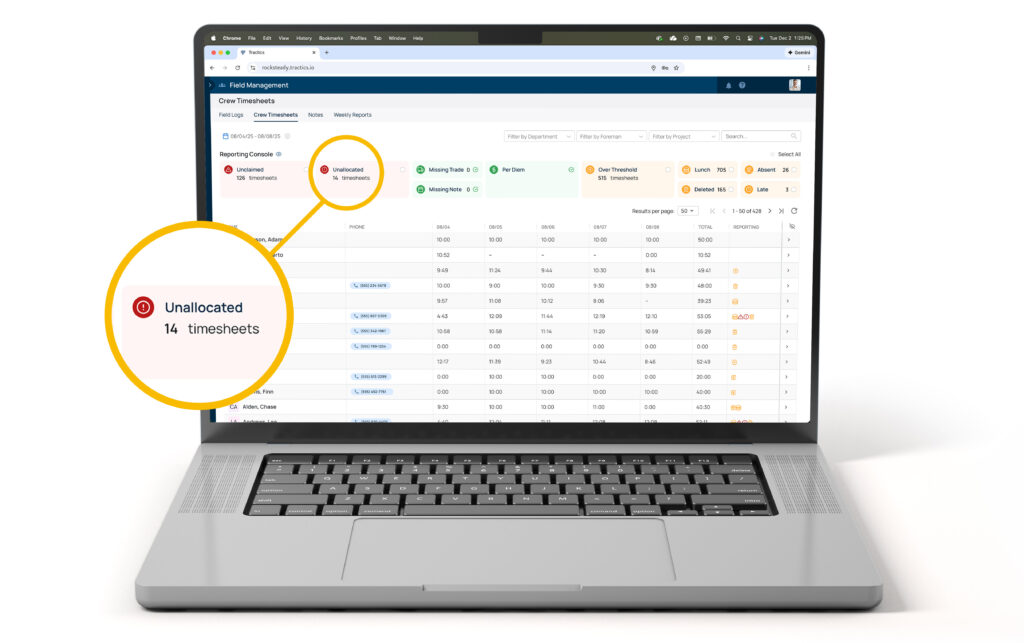
- Time and quantities flowing straight from the field into your logs, dailies, and payroll reports
- Auto-flagging missing or inconsistent data, so nothing slips through the cracks
- Generating reports at the push of a button—ready for meetings, billing, or compliance
It’s not about replacing people. It’s about giving your team time back to focus on what matters: building.
7. A Unified Construction Team, Field and Office Aligned
At the heart of all this change is one core goal: alignment.
2026 is shaping up to be the year more contractors finally bridge the gap between the field and the office. No more “us vs. them.”
Instead, we’re seeing:
- Shared platforms with live job data available to everyone
- Seamless workflows from time tracking to billing to reporting
- Fewer mistakes, less friction, and better communication all around
And when everyone’s on the same page? The entire operation runs smoother.
Looking Ahead: Why We’re Optimistic About Construction in 2026
Construction will always be a tough business. It’s physical. It’s complex. It’s fast-moving. But that’s exactly why we’re so excited for 2026.
Contractors are finally being supported by tools that match the complexity of the work—without adding more headaches.
We’re looking forward to:
- Simpler systems that crews actually enjoy using
- Operations teams that have full visibility, not just spreadsheets
- Companies that run lean, smart, and well-aligned from top to bottom
At Tractics, we’re here to build that future with our contractors. We’re proud to work alongside the teams that are rolling up their sleeves and saying, “Yeah, there’s a better way to do this—and we’re ready for it.”
Here’s to 2026-a year of clarity, simplicty and smarter construction operations.
Let’s get to work.
-The Tractics Crew