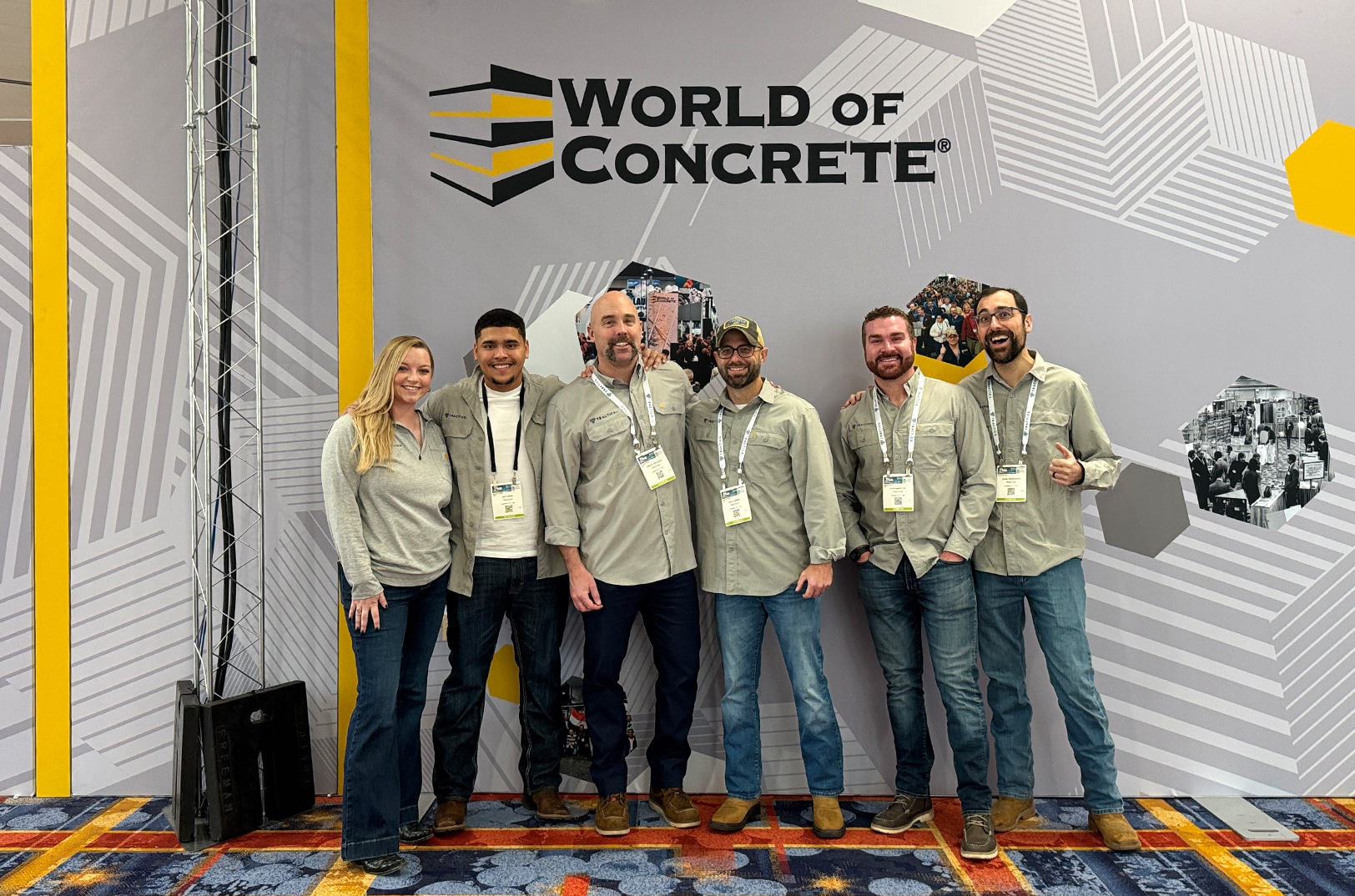
At World of Concrete 2026, we weren’t just there to showcase software — we were there to listen. From crew members and foremen to contractors and field operations leaders, one message came through loud and clear across every conversation: the construction industry is ready for change.
Not flashy change. Not more tools layered on top of an already overloaded tech stack.
Real change — the kind that makes work in the field easier, faster, and more practical.
The conversations we had confirmed what we’ve believed all along: contractors want fewer headaches, better adoption in the field, and tools that actually reflect how construction work gets done.

Listening to the Real Experts: The People in the Field
None of this surprised us — it’s why Tractics exists. But hearing it directly, face-to-face, reinforces just how widespread the problem still is. The people we spoke with weren’t asking for bells and whistles. They were asking for relief from everyday friction.
The takeaway was simple: innovation matters, but usability matters more. If a tool doesn’t work in the field, it doesn’t work at all.
What Contractors Are Saying About Legacy Construction Software
All week, we met contractors who were curious, open, and willing to talk — even if they weren’t thrilled with the systems they’ve been using for years. Most described the same experience: a patchwork of legacy tools that never quite fit the job.
Construction crews aren’t tech guys — and here’s the thing, we don’t expect them to be. Still, even the most skeptical crews swung by our booth to check out what we had to offer.
The frustrations were consistent:
- Overbuilt construction project management software
- Systems that require heavy setup, endless training, and hours of admin work
- Tools that work fine in an office demo but struggle on a real jobsite
This wasn’t resistance to technology. It was fatigue. Contractors are tired of systems that promise efficiency but create more work behind the scenes.
Why Complexity Is Slowing Down Construction Jobsites
The common denominator behind every complaint? Complexity.
Every extra step, every confusing interface, every tool that doesn’t talk to another tool adds friction. And in construction, friction isn’t just inconvenient — it’s expensive. Time lost to admin work is time not spent building.
When we asked contractors what they thought about legacy systems that have been around for decades, the answers were blunt:
“Too heavy. Too complicated. I shouldn’t need to be a tech expert to do my job.”
And when the conversation turned to the mess of single-task tools stitched together over the years, it was clear: contractors are drowning in apps. They’re juggling construction fleet tracking systems, fleet maintenance apps, field management software, and time tracking tools—none of which talk to each other. The result is disconnected data and constant manual work to fill the gaps.
Platform Fatigue Is Replacing Feature Chasing in Construction Software
One of the clearest lessons from the show floor was this: contractors aren’t impressed by more features anymore.
A few years ago, adding another tool felt like progress. Today, it feels like another burden. Contractors are tired of multiple logins, disconnected workflows, and piecing systems together themselves.
What they want instead is simplicity. Fewer tools. Clear workflows. One source of truth that works for both the field and the office.
That shift says a lot about where the industry is heading.
What the Field Really Thinks About Construction Software
We made a point to ask the people who matter most: the field.
Time and again, we heard the same story. Foremen don’t use the software they’re given — not because they’re stubborn, but because it wasn’t built for them. Notes still get scribbled on paper. Details get lost before they ever make it back to the office.
That’s not a behavior problem. It’s a design problem.
Foremen weren’t trained to manage apps. They were trained to get the job done. And if a tool slows them down, it won’t survive long on a jobsite.
Most Construction Tech Misses the Jobsite Reality
Many construction tools are designed without fully accounting for real-world conditions — mud, gloves, spotty connectivity, fast-moving crews, and long days.
When software ignores those realities, adoption suffers. But when tools are built with the field in mind, the difference is immediate.
We saw genuine reactions when contractors understood how intuitive, visual, and field-first modern tools can be. When adoption happens naturally — without forcing it — the entire operation benefits.
Less Chasing. Fewer Calls. Happier Crews.
When field tools are easy to use, everything downstream improves.
With construction time tracking, geofence time clocks, and geofencing time tracking, foremen no longer need to backtrack on hours. And the office? They can finally breathe.
Teams spend less time correcting mistakes.
The impact is real:
- Fewer calls from the office
- Cleaner handoffs
- Less chasing
- Happier crews
Because if the technology is not easy, it won’t get used.
Contractors Want Tools That Scale with Them
Another theme we heard loud and clear: contractors are thinking long-term.
They want construction management software that works when they’re small and continues to work as they grow. They don’t want to rip and replace software every few years just to keep up with new crews, jobs, or complexity.
Scaling without disruption matters. Avoiding the dreaded “we’ve outgrown this” moment matters. Contractors want software that adapts with them — not software that forces painful transitions.
The Market Gap is Clear—and Tractics Bridges It
There’s a clear gap in the market:
- On one end: manual processes, spreadsheets, and whiteboards
- On the other: over-engineered enterprise platforms built for mega firms
Many contractors feel stuck in between.
This is where modern, field-first platforms are starting to matter. Solutions that cut complexity instead of adding it. Tools that respect how construction actually runs — in the field and in the office.
That’s the gap contractors are actively looking to fill.
Built for the Real World of Heavy Civil Construction
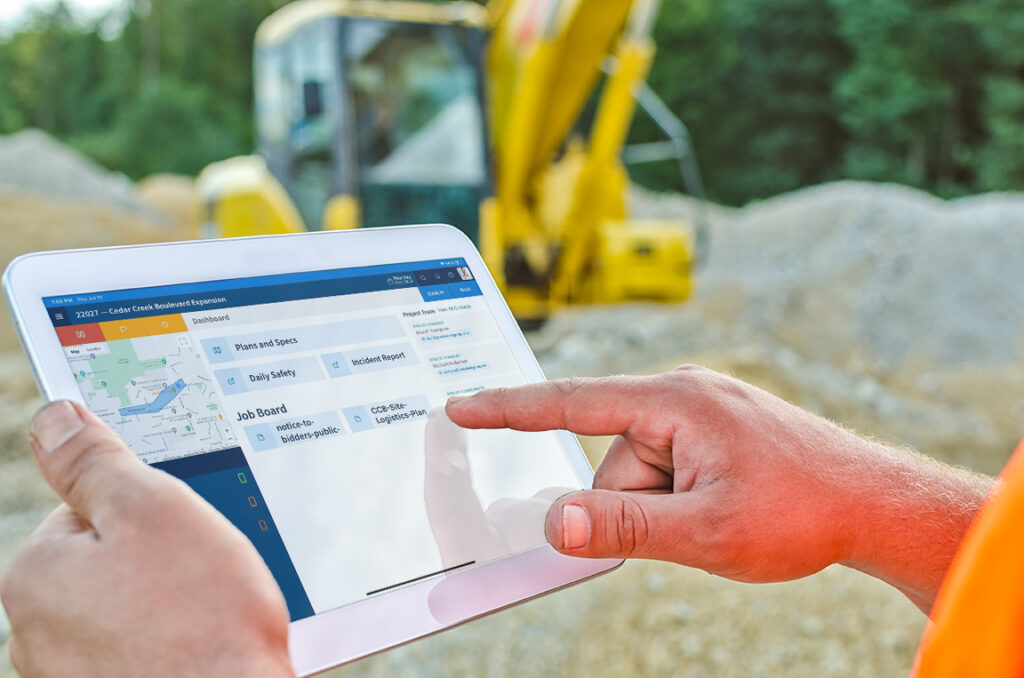
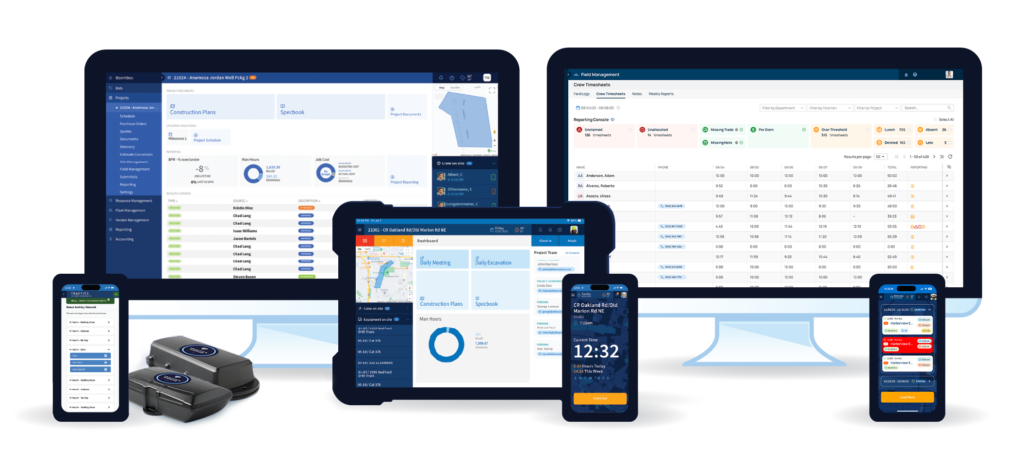
Tractics was built around these realities. With field crew scheduling, construction resource management, fleet management, and GPS time tracking built in, it delivers complete field management solutions designed specifically for heavy and civil construction.
From employee location tracking to project visibility and site monitoring, everything is designed to reduce friction and improve adoption — not create more admin work.
What World of Concrete 2026 Made Clear
Contractors aren’t shopping for more software. They’re shopping for relief:
- Relief from complexity.
- Relief from disconnected tools.
- Relief from systems that don’t reflect the realities of the jobsite.
What Contractors Should Look for in Construction Software:
- Easy field adoption without heavy training
- Fewer disconnected tools
- Minimal setup and admin overhead
- Works in real jobsite conditions
- Scales without disruption
World of Concrete 2026 reinforced that the industry is ready for better — and that better starts with listening to the crews in the field.
Ready to Ditch the Complexity?
Tractics is built for the real world of heavy civil construction—field-first, easy to use, and made to reduce friction from jobsite to office.
Learn more about how Tractics simplifies workflows here.
See you at the next big event in 2026!
-The Tractics Crew