The construction industry proves to be diverse in many ways. One of the most prominent ways is through a difference in native languages.
For workers who aren’t working in their first language, everyday tasks – from reviewing job information to documenting work or asking a question – can require extra steps when the tools and processes around them are built primarily for English speakers.
In the construction industry, clear, comprehensive communication amongst multilingual crews proves to be important for business and project health, maintaining positive company culture, and keeping crews safe and validated.
The Red Thread of Data & Intuitive Project Documentation
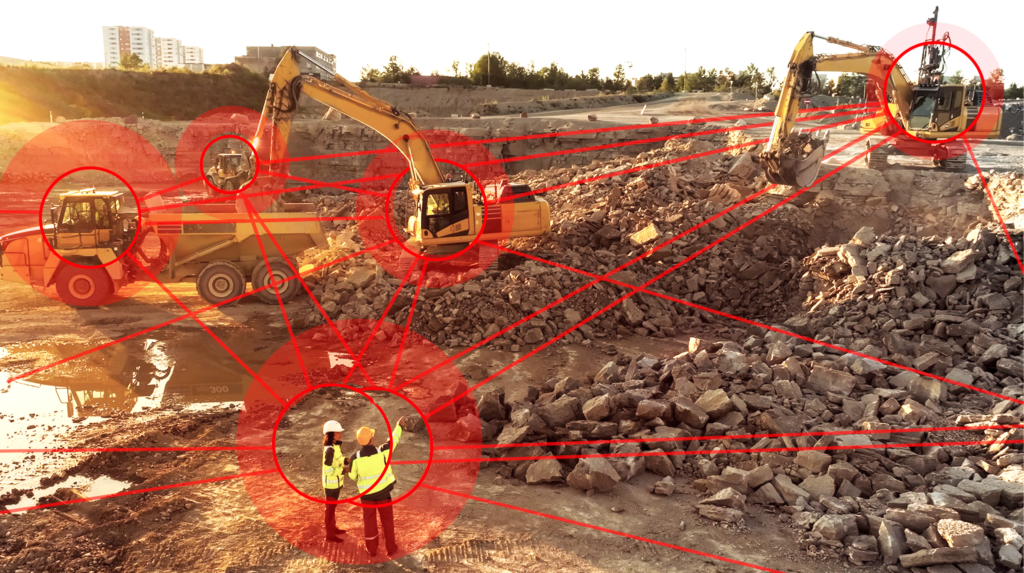
At Tractics, we like to talk about the “Red Thread of Data”, a term coined by Tractics CEO Tyler VanWinkle. As Tyler explains it, the Red Thread goes something like this:
Every construction project tells a story. That story begins when a bid is approved and continues all the way through project completion, billing, and accounting. Along the way, information moves through estimating, scheduling, equipment deployment, trucking, payroll, quantities, production tracking, and financial reporting.
Most contractors see those processes as disconnected systems. At Tractics, we see them as one continuous thread.
Regular, detailed project documentation is one of the most valuable ways contractors get real visibility into their projects, completing that Red Thread of Data.
Ensuring project documentation actually happens in the field is a pain point for contractors across the board. Paula Herold, President at Boomerang, puts it perfectly: “If my crew has to take a picture, save it to their phone, swipe it over, put it in a message and send it to someone, that’s probably not happening. It’s just too much.”
Project documentation also has to be easy for every crew member. The operation at Boomerang consists of over 150 employees, many of whom are native Spanish speakers. For crews like Paula’s, clear multilingual communication matters at multiple points throughout the workday.
With construction management software like Tractics, adding notes and photos of what’s happening on-site is built to work with a crew’s real workflow. When a crew member clocks out at the end of the day, the Tractics Mobile App prompts them to take notes and snap a few photos, to document project progress directly within the app.
For Paula’s crew, this has been a game changer, and the process becomes even easier when voice-to-text comes into play, especially for Spanish speakers.
When talking about field notes, Paula says, “My Hispanic employees love it. They use voice-to-text in Spanish, and their phone translates it for them with the click of a button.”
With tools like the Tractics Mobile App, language doesn’t have to add another step to project documentation. Spanish-speaking crew members can provide valuable field information in the language they’re comfortable using without going out of their way to ensure others understand their notes after a long day on the job.
Improving Communication Across Multilingual Construction Crews
Feeling like part of the crew can be challenging when you’re also working through a language barrier. A language barrier can make it harder to feel fully included as part of a crew. Employers have an opportunity to help remove that barrier.
With Spanish translations available in the Tractics Mobile App, Spanish-speaking crew members can access job information and workflows without language creating unnecessary extra steps.
As Paula has seen with her own crews, asking for clarification through a language barrier isn’t always comfortable. While English-speaking crew members may be welcoming and willing to help, seeking clarification isn’t always easy.
When talking about her Spanish-speaking crew members, Paula mentioned seeing this in their day-to-day. She said, “Going to their foreman can feel degrading and doesn’t make them feel good. We take a strong effort to make sure our Hispanic employees don’t feel excluded or that they have to be treated in any special way.”
Nobody wants to feel excluded or at a disadvantage, simply because of the language they speak. In a construction setting where communication needs to be clear for project health and the safety, giving crews access to the same information and workflows in a language they understand can remove an unnecessary barrier.
Construction Safety for Multilingual Crews
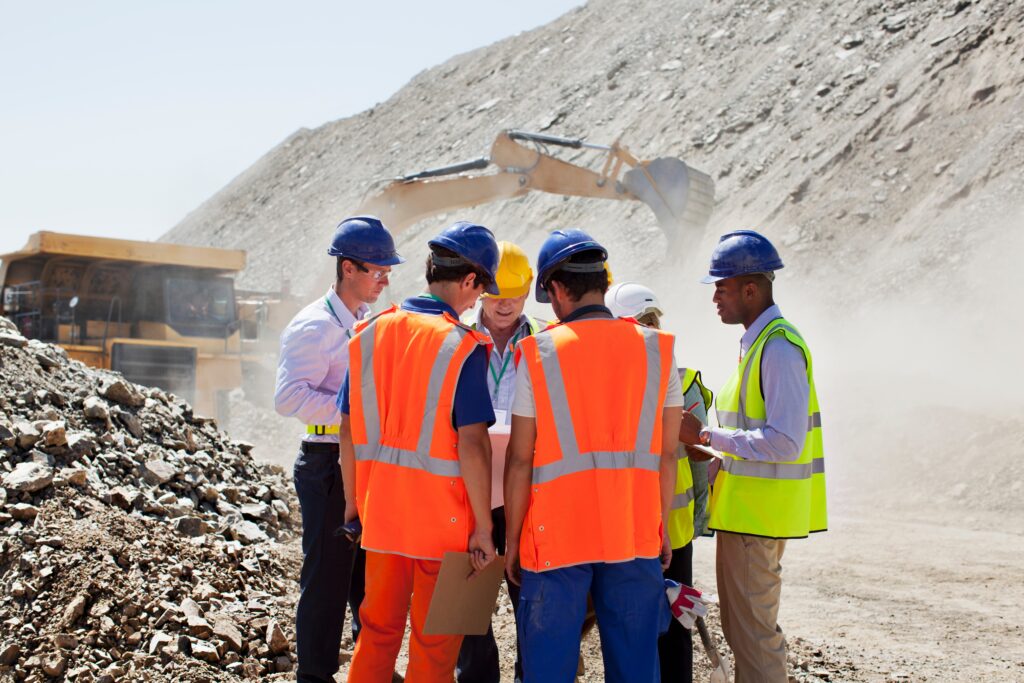
On a jobsite, a safety message only works if every crew member understands it. For multilingual crews, language barriers can make an already complicated environment even harder to navigate.
When discussing safety with your crew, “it’s not enough to say the right words; they need to resonate and mean the same thing to everyone hearing them,” says Construction Business Owner (CBO). Language barriers present their own obvious obstacles, as clear communication can be tricky across multilingual crews. One incorrect translation can give your crew a completely different understanding of the task at hand.
According to CBO, “78% of construction supervisors wish they had real-time translation apps to better engage their teams who speak English as a second language.” With translation apps such as Google Translate or Apple Translate, communicating with multilingual teams has gotten a little easier, not just in construction.
However, at the end of the day, communication amongst multilingual crews can still be challenging.
The Center for Construction Research and Training (CPWR) reports that the fatal injury rate for Hispanic construction workers increased 7.3% from 2011 to 2022. CPWR points to several factors that may contribute to increased risk, including language barriers and limited training resources available in Spanish.
For this reason, providing crews with the tools and information in the language they use matters. Tractics is available in Spanish. Safety features like the pre and post trip inspections, safety forms, and Emergency Services are all equally available to multilingual crews.
Ensuring that every crew member has the same access and understanding of safety content is key to making sure the work gets done the right way.

Properly Training & Supporting Multilingual Crews
Communication and comprehension don’t solely revolve around the Tractics platform being available in Spanish. If contractors expect their crews to navigate the software, Tractics must do our part from the start during the training process.
At Tractics, we take pride in our white-glove service. Training happens live, on-site with Tractics Crew Members who know your business and how your work gets done.
Tractics Crew Member and Customer Success Associate Erika Hernandez has helped train several Tractics customers with Spanish-speaking workers on their crews. While training on a number of sites, she has seen what communication looks like for these crews in their day-to-day.
When talking about a specific customer training, she mentioned the relief she could sense amongst the crew when she spoke to them in Spanish. Erika said, “I think it was validating to invite someone to their site who they could sit down and have breakfast with, speaking their own language.”
Tractics Crew Member and Account Manager, Ryan Hankins, recalls one specific training with Erika that proved to him the value of clear communication across a multilingual crew. Ryan said, “Erika rallied the crew for lunch during the first day of training. Just saying ‘Let’s eat pizza!’ in Spanish visibly changed their demeanor.”
Clear communication during the training process and the support that follows allows the Tractics Crew to establish a strong relationship with the crews we support. When talking about training sessions and helpline support, Erika mentions, “Spanish-speakers can ask real questions and get real answers. I feel confident that we have the proper resources to give them the answers they need and can easily understand.”
For the Tractics Customer Success Team, that level of support is an important part of making technology work for the entire crew – not just the people who are most comfortable using it.
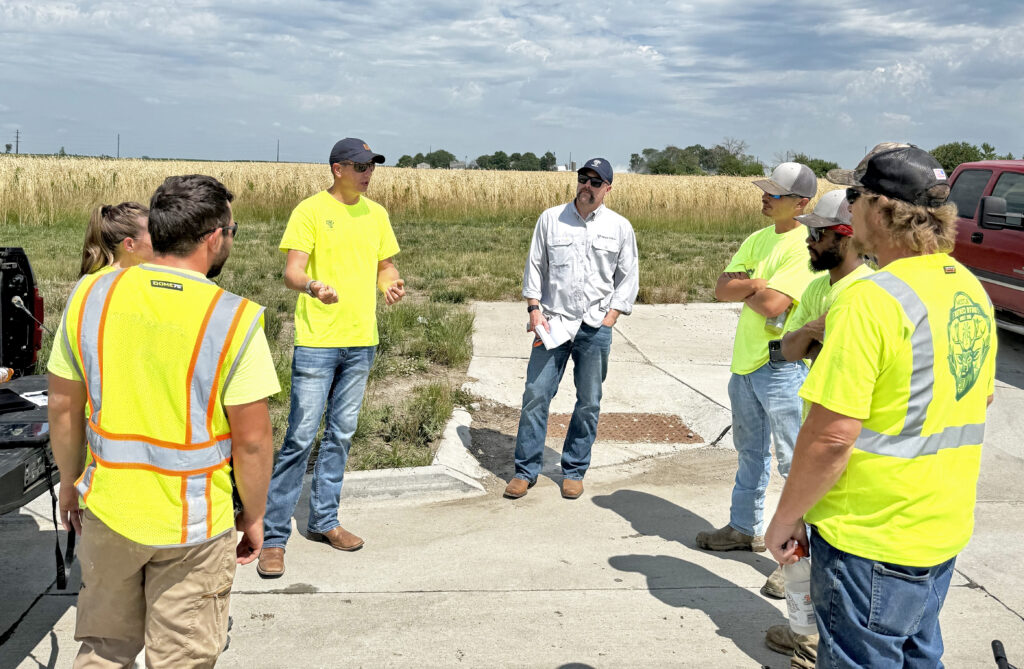
Continuing to Improve Inclusion
During the time we’ve spent with multilingual crews, the Tractics Crew has learned more and more about clear, effective communication and how it impacts a business.
We’ve had the opportunity to listen to stories from Spanish-speaking crew members that aren’t always part of the broader construction technology conversation. Whether it’s a father asking his son for help translating his notes after work or a husband asking his wife for the same, the Tractics Crew has seen the pride each crew member puts into their work.
We’ve seen firsthand how removing some of those communication barriers can make day-to-day work easier for the crews we support.
Paula Herold told us, “Spanish speakers love that there’s no exclusion with Tractics. They really feel like Boomerang is going out of their way to make it equal for them. They don’t have to struggle.”
That’s ultimately the goal: give every crew member the tools, information and support they need to do their job, without language creating an unnecessary barrier. The Tractics Crew is proud to improve the dynamic of multilingual crews in the heavy civil construction industry.
-The Tractics Crew
Sources
- Brooks, Raina D., Derek Dufoe, William Harris, and Amber Brooke Trueblood. “Hispanic Construction Workers: Employment, Business Ownership, and Injury Trends.” The Center for Construction Research and Training. December 2024.
- Epstein, Clare. “Keep Communication & Safety from Getting Lost in Translation.” Construction Business Owner, January/February 2026.
- “Employment, Income, and Benefits.” The Center for Construction Research and Training. August 23, 2026.