Build Smarter, Not Harder
Civil projects move fast — and every missed handoff or unclear update can cost days in the schedule. Roads, bridges, and utility work depend on tight coordination between design, crews, and equipment. That’s why the best civil contractors lean on modern civil construction software to keep teams working from the same plan, in real time.
Old-school spreadsheets and scattered communication tools can’t keep up with the speed of today’s projects. Project management software for civil construction connects every piece — from scheduling and documentation to fleet and field coordination — so teams don’t waste time tracking down information or duplicating effort.
The key to better project management isn’t more meetings or more apps — it’s one clear source of truth that keeps everyone in sync from bid to closeout.
Keep it Simple: Choose Software Built for the Way You Work
The best civil construction project management software doesn’t try to replace your workflow — it streamlines it. Look for a system that’s intuitive for your foremen and flexible enough to handle the realities of jobsite work.
Overly complex systems built for general contractors or vertical construction often slow teams down. Civil contractors need tools that handle field conditions, weather delays, change orders, and shifting resources — not endless dropdown menus.
When evaluating project management civil platforms, ease of use is critical. If it takes three days of training just to enter a daily report, the software will collect dust. Instead, look for a platform that your team can pick up quickly — one that simplifies scheduling, documentation, and progress tracking without overwhelming them.
The right tool won’t just make your job easier; it will make your crews faster.
Connect the Field and Office for Real-Time Updates
Civil jobs are often spread across miles of highway or multiple active sites. Without live communication, delays and rework are almost guaranteed. The strongest project management software civil construction platforms bridge that gap.
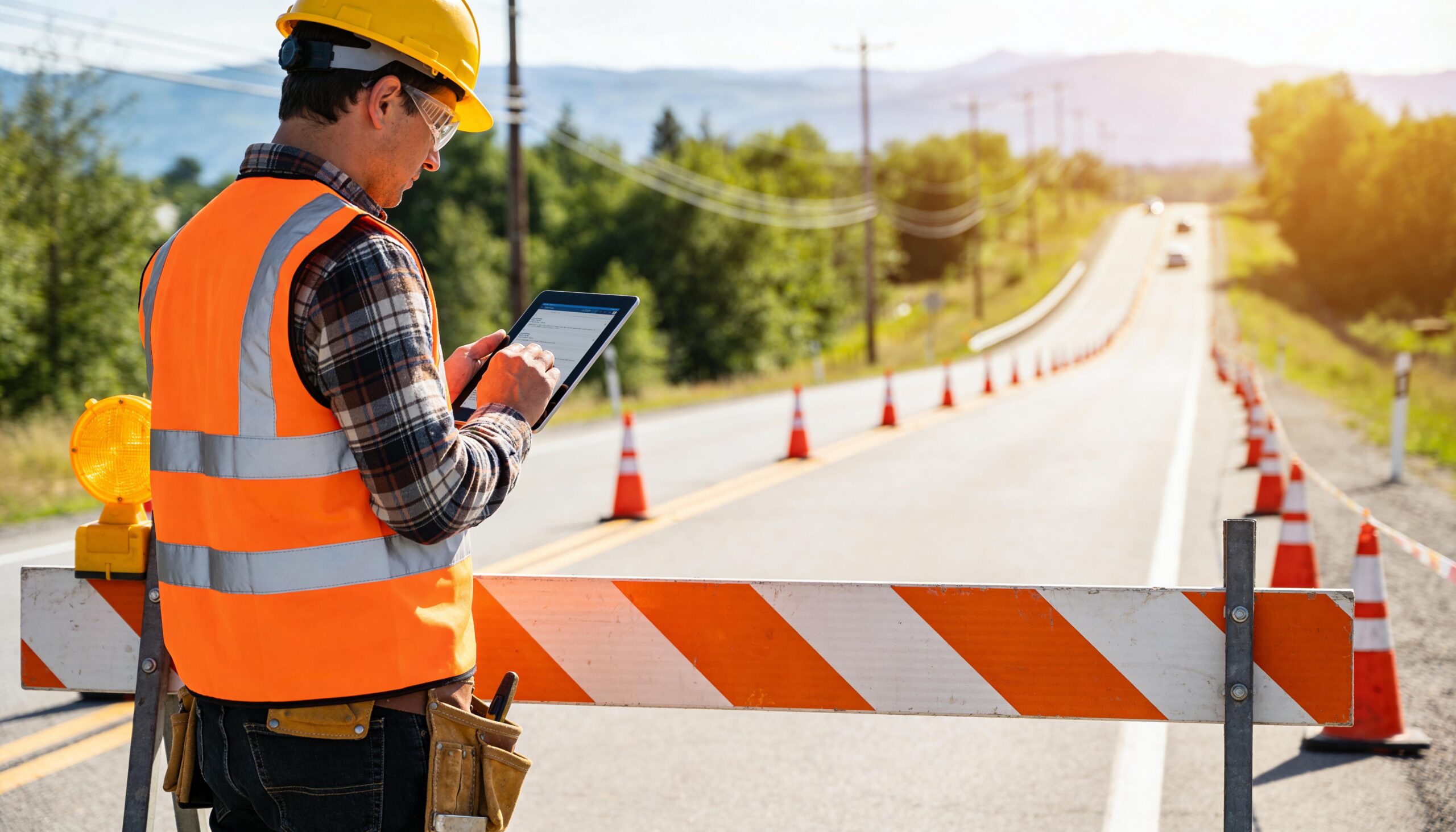
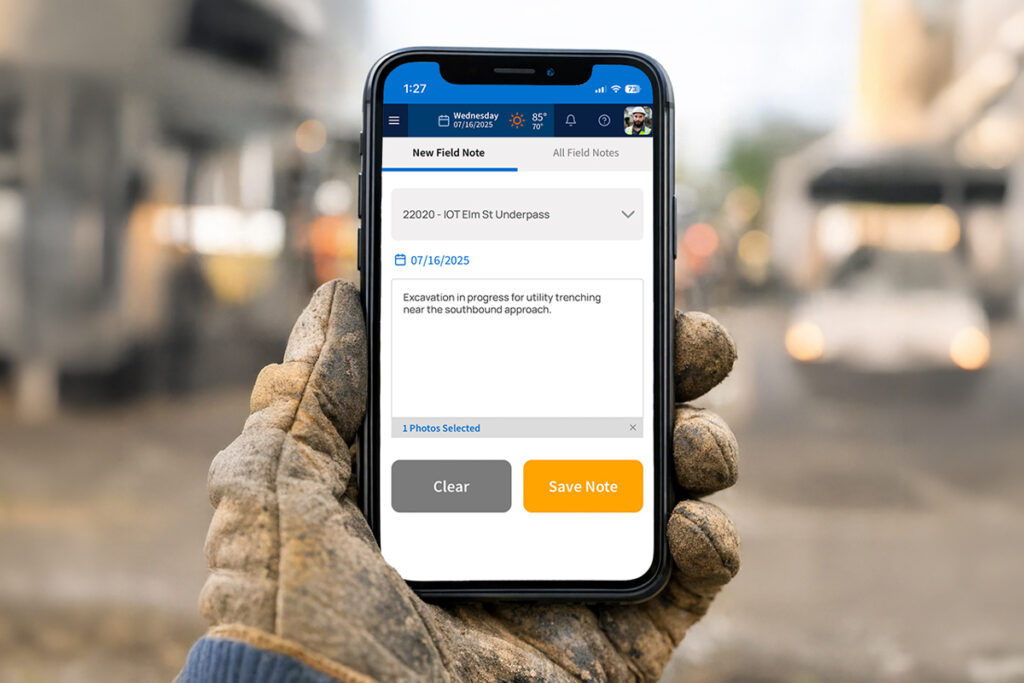
When field crews can upload progress photos, material usage, or change notes directly from their mobile device, the office gets visibility instantly. Estimators and project managers can make adjustments before issues spiral.
Real-time updates also improve forecasting. When the office can see what’s happening in the field — down to crew hours and equipment use — it’s easier to anticipate needs, allocate resources, and stay on budget.
Modern civil construction software makes that flow natural: quick field input, automatic data sync, and clean reporting on the backend. It’s the kind of connection that keeps projects predictable and teams accountable.
Integration Is Everything
A great project management tool doesn’t live in isolation. Heavy civil construction software should connect seamlessly with your other systems — like accounting, estimating, or fleet management — so project data moves without double entry.
For example, integrating your project management tools with financial platforms like Sage Intacct gives you a live view of costs as they happen, not weeks later. When time tracking, equipment usage, and materials tie directly to your accounting data, reporting becomes effortless — and decision-making gets faster.
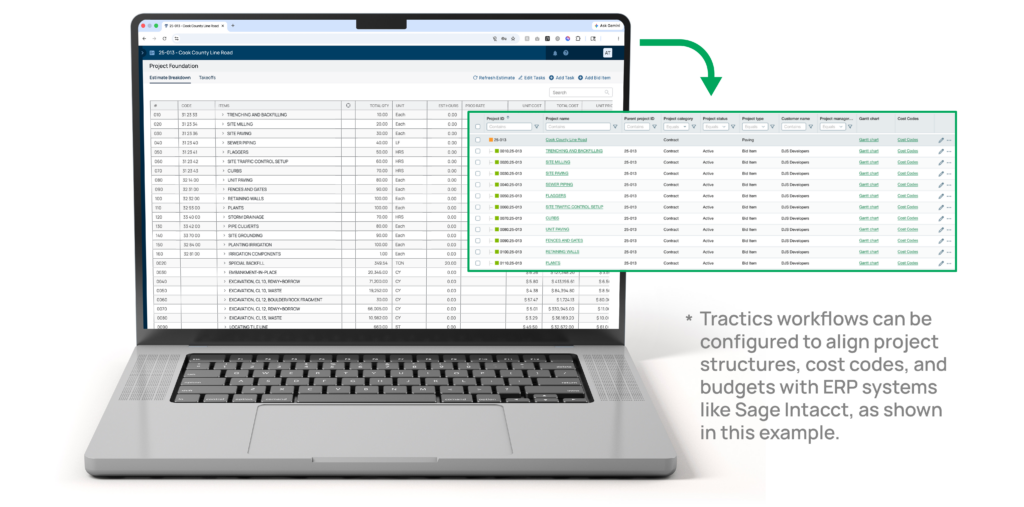
Integrated systems also protect data integrity. When everything from RFIs to change orders flows through one connected platform, you avoid costly mistakes caused by outdated or conflicting information.
This kind of integration isn’t a luxury — it’s how modern civil firms operate efficiently without adding more administrative weight.
Keep Quality High and Risks Low
Civil contractors know that precision and documentation aren’t optional — they’re the foundation of quality control. The right civil construction project management software builds those safeguards directly into your workflow.
Digital daily logs, inspection reports, and photo documentation mean you always have the paper trail to back up your progress and compliance. This transparency strengthens client confidence and reduces disputes when scope or schedule questions arise.
When foremen and superintendents can record jobsite details on the spot — instead of hours later — quality and accountability improve dramatically. These records also provide valuable insights for future bids, helping you estimate with confidence and reduce waste on the next job.
Empower Your Team with Real Data
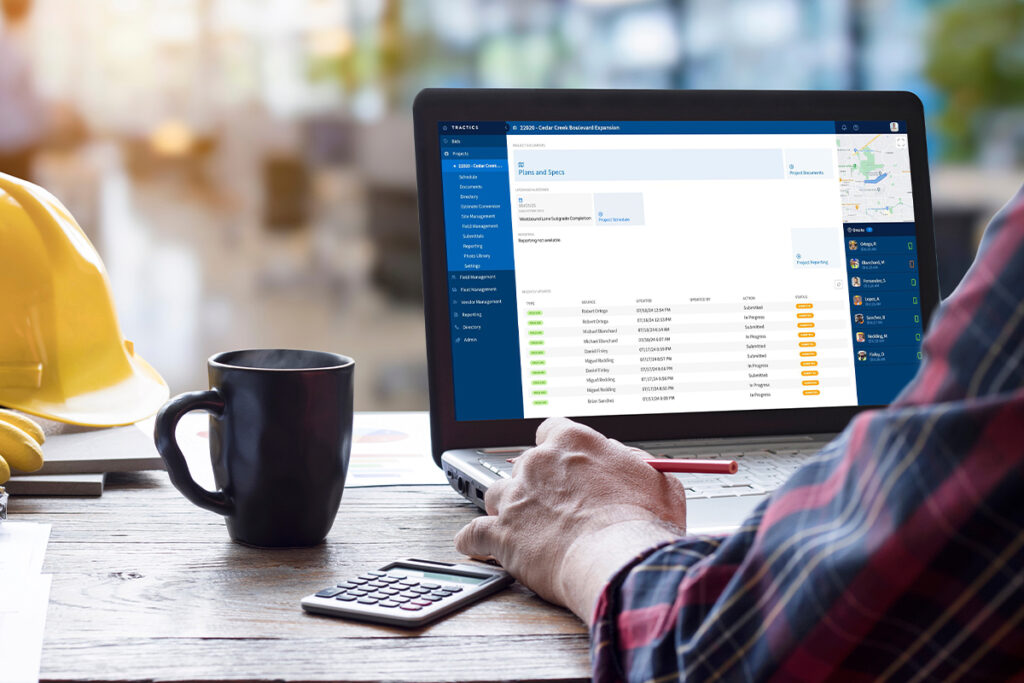
Every successful civil project depends on communication and timing. With connected tools, managers can see how resources are being used, which crews are ahead or behind, and what adjustments will keep the project aligned.
It’s not just about data collection — it’s about visibility. The right project management software civil construction doesn’t bury you in reports; it surfaces the insights that actually matter.
When project managers have accurate, up-to-date data, they can make informed calls without waiting on manual updates. That’s how jobs stay under budget and on schedule — even when plans change.
Build Better with Connected Civil Construction Software
The future of heavy civil construction software isn’t complicated — it’s connected. Field teams, office staff, and fleet operations all share the same data, in real time, from a single source of truth.
Contractors who embrace this connected approach see measurable results: faster closeouts, fewer errors, and better profit margins. Technology shouldn’t slow your crews down — it should move with them.
For modern civil teams ready to simplify operations and strengthen coordination, connected project management software delivers the clarity and control needed to build smarter, faster, and stronger.
– The Tractics Crew