The FIFA World Cup wasn’t just one of the world’s biggest sporting events—it was one of the largest real-world tests of infrastructure Kansas City has ever experienced.
Fans from across the United States and around the world poured into the region to attend matches at Kansas City Stadium (Arrowhead Stadium), gather at FIFA’s Fan Festival, and experience the city beyond the pitch. Public transportation carried hundreds of thousands of passenger trips. Local businesses welcomed international visitors, and Kansas City found itself at the center of the global sports conversation.
From our headquarters in the historic River Market, the Tractics Crew had a front-row seat to it all. As a company serving the heavy civil construction industry, we couldn’t help but notice something bigger than the matches themselves. The World Cup showcased how years of investment in infrastructure, transportation, sports facilities, and community development prepared Kansas City to welcome the world.
Here’s what we experienced—and what we think Kansas City will remember long after the final whistle.
Kansas City Takes Center Stage
Throughout the tournament, the River Market became a gathering place for fans representing countries from every corner of the globe. Just outside our office, we watched visitors explore local restaurants, shops, and attractions while experiencing everything Kansas City has to offer.
Not every business experienced the World Cup in the same way, but restaurants in the City Market saw crowds swell on matchdays. According to the Kansas City Star, Taste of Brazil welcomed dozens of soccer fans during the Argentina vs. Austria match played in Dallas, creating an atmosphere that felt more like Buenos Aires than the Midwest.
Of course, no visit to Kansas City is complete without barbecue. The Kansas City Star also reported that Joe’s Kansas City became a hotspot for visitors looking for ribs and burnt ends throughout the tournament.
As a crew full of barbecue enthusiasts, we were happy to see one of Kansas City’s greatest traditions receive the international attention it deserves.
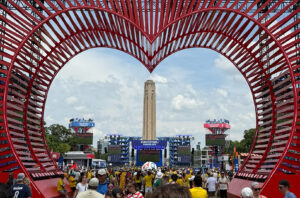
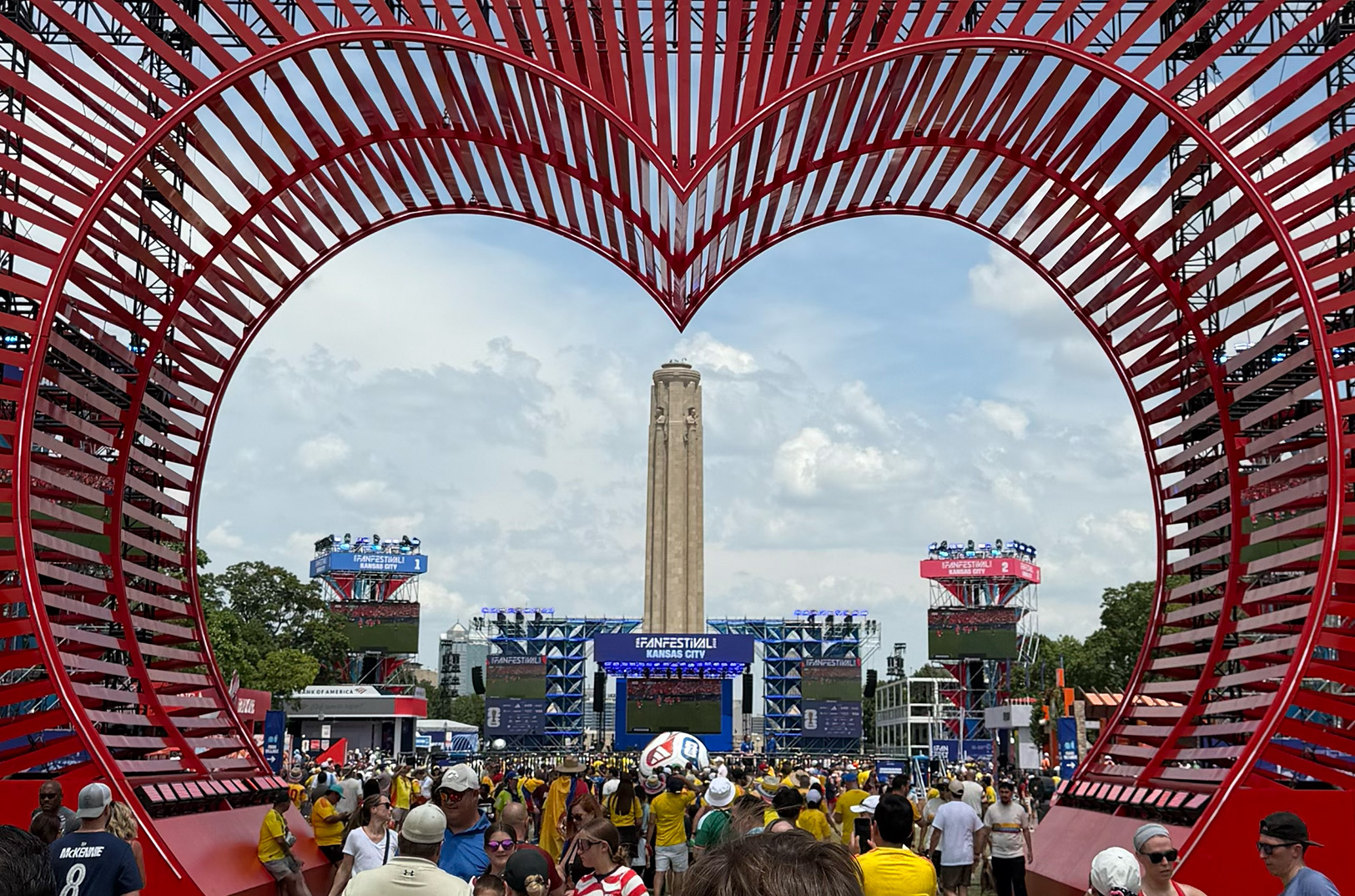
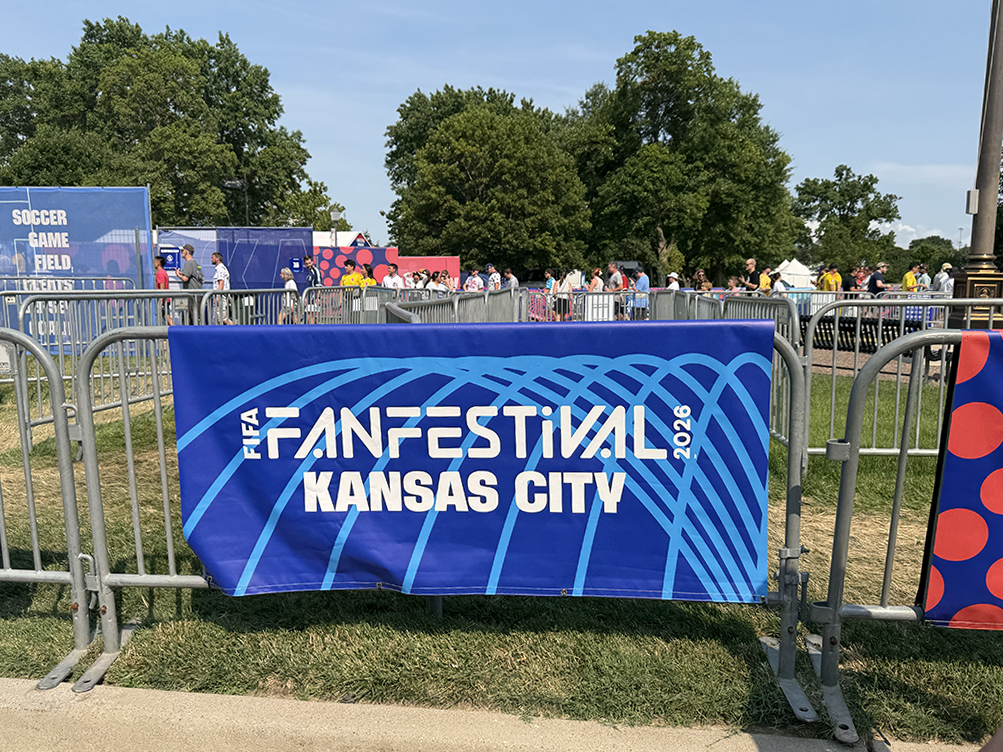
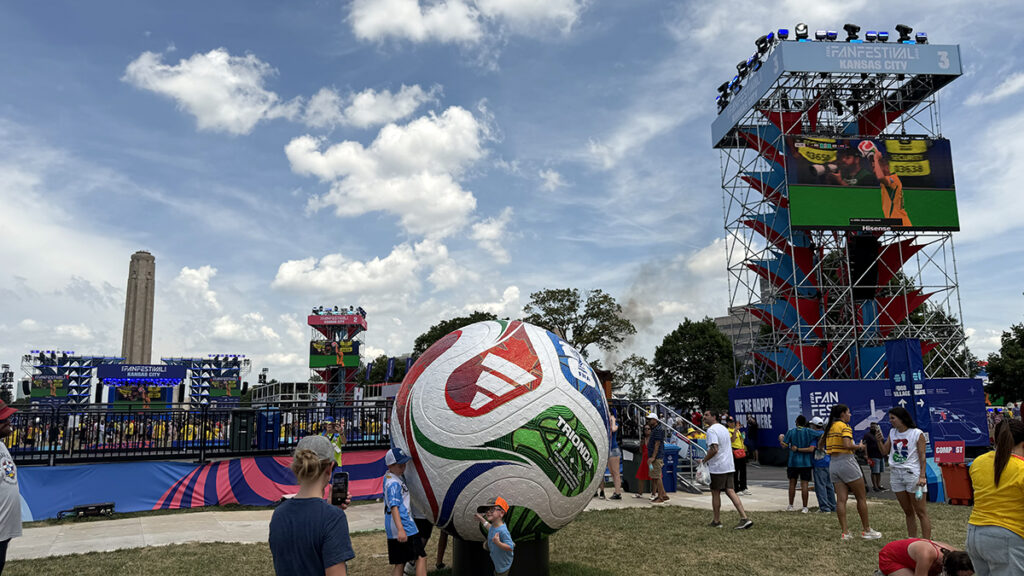
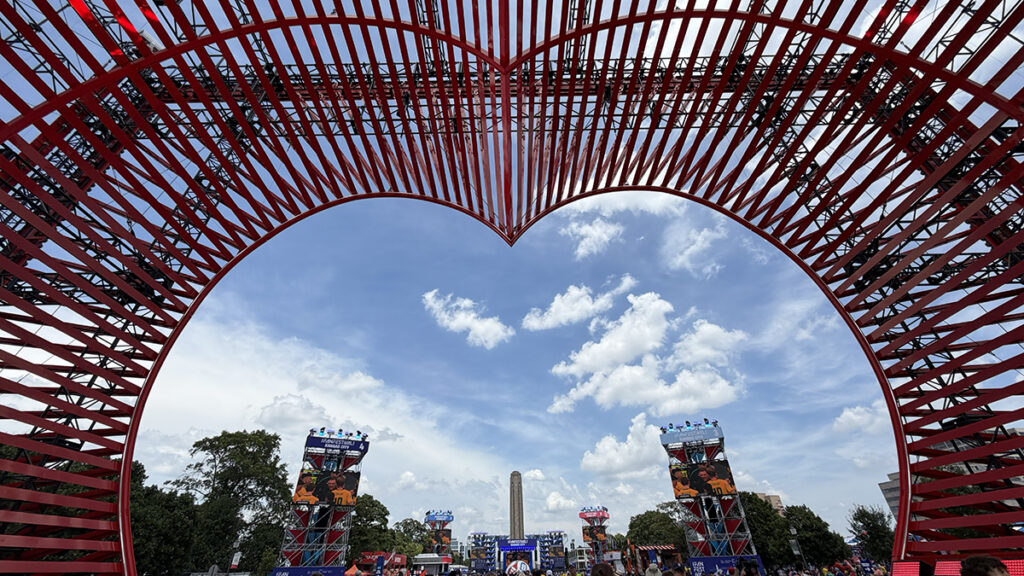
Kansas City may have been the smallest World Cup host city in North America, but the scale of its participation was anything but small. According to Visit KC figures reported by The New York Times, Kansas City Stadium (known globally as Kansas City Stadium during FIFA competition) hosted five World Cup matches, including a quarterfinal, welcoming more than 344,000 spectators over the course of the tournament. While by July 11, the FIFA Fan Festival welcomed more than 310,000 people representing more than 150 countries.
Those numbers tell only part of the story. Visitors also encountered the character of Kansas City where local food and drink were featured at the Fan Festival. The World Cup proved that hosting a global event isn’t only about the size of a city. It’s about how well that city prepares and how warmly it welcomes people.
More Than Soccer: A Win for Infrastructure
For Tractics, the biggest story wasn’t limited to what happened on the pitch—it was what happened across the city.
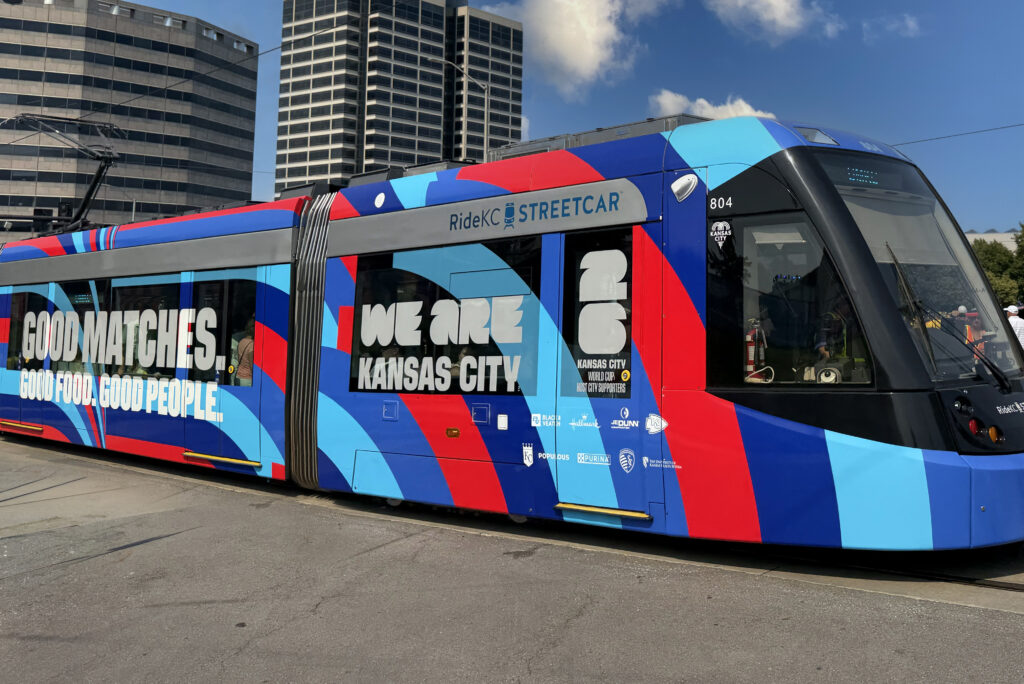
The World Cup put Kansas City’s transportation network to the test—and it delivered. Rather than relying on a single transit option, the region coordinated the KC Streetcar, RideKC buses, dedicated stadium routes, airport service, regional park-and-ride connections, and other mobility options into a broader transportation network.
According to KC2026, ConnectKC26 included Stadium Direct, Region Direct, and Airport Direct services connecting supporters with matches, Fan Fest, the airport, and destinations throughout the metropolitan area. By the final weekend, the service carried more than 190,000 passenger trips.
The KC Streetcar also set new records. According to KC2026 transportation data, the KC Streetcar recorded 48,260 passenger trips on June 27, setting a new single-day ridership record.
Together, these services demonstrated something more significant than the success of any single route: major events depend on a coordinated transportation system. Streetcars, buses, shuttles, roads, pedestrian routes, traffic management, and public safety operations all had to work together to move people across the region.
Infrastructure isn’t just roads, bridges, and transit systems—it’s the coordination that allows those systems to perform when demand is at its highest. Hosting the World Cup required municipalities, transportation agencies, law enforcement, stadium operators, event organizers, and private partners to work together in real time.
Adam Arredondo, who leads Community Engagement and Events at Tractics, believes those investments are already shaping what’s next.
“The World Cup is definitely worth talking about as it pertains to the heavy/civil construction space. We learned a lot about public transit. The streetcar was a huge success, producing numerous ridership records. More than 48,000 passenger trips were recorded in one day. That’s extremely validating for our city’s large investment.”
Adam believes the momentum extends well beyond transportation.
“That success has already spurred conversations about expanding the streetcar system further and other transit investments across the region. Kansas City will surely attract more large sporting events and continue evaluating the infrastructure needed to support them. Hosting the World Cup has proven Kansas City is on the rise. That momentum will drive greater investment in the infrastructure needed to support the growth.”
The long-term question is whether some of the transportation connections created for the tournament can continue serving residents. ConnectKC26 provided direct access to the airport, stadium, and regional destinations that previously lacked convenient transit connections. According to KCUR, 31% of ConnectKC26 passengers were local or regional residents, suggesting these services addressed more than temporary visitor demand.
The tournament gave Kansas City a rare opportunity to test what a more connected regional transportation system could look like. The challenge now is determining which successful ideas can become lasting investments rather than temporary event services.
For a company that works alongside the heavy civil construction industry every day, those are exciting conversations to watch unfold.
The Infrastructure Behind the Moment
Kansas City’s successful World Cup bid wasn’t the result of a few months of preparation. It reflected years of planning, construction, coordination, and investment across both the public and private sectors.
According to Fortune, the region invested approximately $700 million in soccer infrastructure over the 15 years preceding the tournament. That investment included Children’s Mercy Park, CPKC Stadium, and training facilities that helped make Kansas City an attractive base for international teams.
Four national teams—Argentina, England, the Netherlands, and Algeria—selected the Kansas City region as their base during the tournament. Their presence required more than fields and stadiums. It depended on transportation, lodging, security, utilities, communications, training facilities, and coordinated operations across state and municipal boundaries according to the Kansas City Chiefs.
As Fortune reported, Kansas City also established a Joint Operations Center that brought together law enforcement, transportation coordinators, medical personnel, communications teams, and event officials. On busy days, the center tracked numerous team and dignitary movements while monitoring traffic, weather, and transit operations.
Those conversations didn’t begin with the tournament itself. They began years before Kansas City hosted its first match.
Hosting an event of this scale isn’t only about building new assets. It’s about making existing infrastructure perform under extraordinary demand. The World Cup became a live test of Kansas City’s ability to coordinate systems, solve problems quickly, and adapt when conditions changed.
Bringing the World Cup to Tractics
Our involvement wasn’t limited to watching matches during lunch.
Like many Kansas Citians, members of the Tractics Crew regularly attend Sporting KC, KC Current, Royals, and Chiefs games. Naturally, the World Cup became a shared experience around the office.
Adam also helped connect Tractics with the broader community by coordinating the KC Futures Summer (& World Cup) Kick Off.
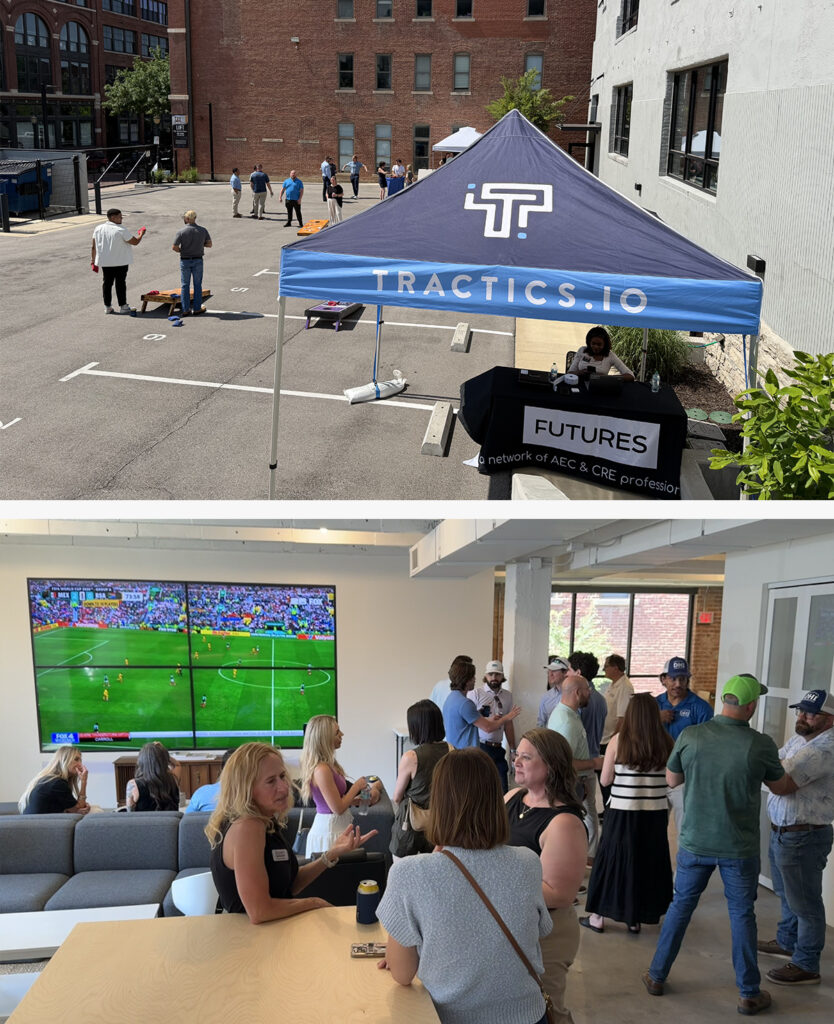
Fans from across the Kansas City area gathered at the Tractics office to watch the tournament’s opening match between Mexico and South Africa. It gave us the chance to celebrate the start of the World Cup while opening our doors to fellow soccer fans.
“It was fun to have such a great group at the office and put our huge four-TV display to good use,” Adam said afterward. “It was a great way to get into the World Cup spirit with good people.”
Events like these reminded us that the World Cup wasn’t just about soccer—it was about bringing communities together.
Tractics Crew Experienced the World Cup Around Kansas City
The excitement stretched far beyond our office.
Lisa Finholm, who leads Marketing at Tractics, attended Fan Fest before the Colombia vs. Ghana match and experienced firsthand the energy surrounding Kansas City’s role as a host city.
“It was really special to see Kansas City rally around all of the different teams and people traveling here. It’s amazing hearing people talk about how much they’ve enjoyed experiencing our city. Everyone is pleasantly surprised by how much KC has to offer compared to other US cities they’ve visited.”
For Tractics CEO Tyler VanWinkle, the most memorable part of the World Cup wasn’t necessarily the soccer—it was hearing conversations in multiple languages while eating lunch in the River Market.
“I think it’s exciting to be able to go down to the City Market for lunch and hear six different languages being spoken at the tables around me. That’s not a typical day in the Midwest.”
For Tyler, the tournament represented something bigger than sports. It offered Kansas City the opportunity to introduce itself to the world while exposing local residents to cultures and perspectives they may never have experienced otherwise.
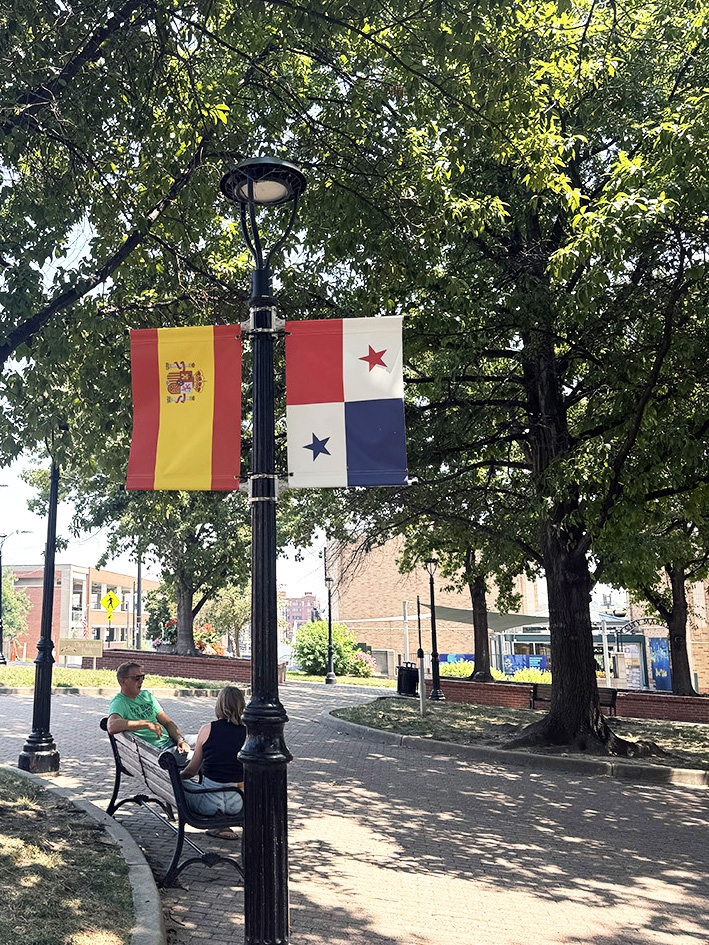
Moments like these remind us that infrastructure isn’t just about moving people—it’s about creating places where cultures, communities, and ideas can come together.
Adam noticed that same theme throughout the tournament.
“It is the biggest event Kansas City has ever hosted, and I think we’ve built the right momentum to do so. Just think about all of the projects going on across the city—the streetcar expansion, the new airport, the stadiums. The World Cup brought people from across the country and around the world into a city many of them may never have otherwise visited.”
One message kept coming up in conversations with visitors: Midwestern hospitality.
Travelers consistently shared how welcomed they felt in Kansas City, and many left with a completely different impression of the city than they expected.
As Adam put it:
“We’re a Midwest city that few people around the world knew anything about.”
He also pointed out an important difference between Kansas City and the larger host cities.
“Kansas City is the smallest host city, and the others are huge. In the larger cities, the World Cup is just another event. In KC, everyone knew it was a big deal. People were excited to be here, and we were excited to host. You couldn’t go anywhere without knowing the World Cup was here.”
That enthusiasm was especially visible on June 26, when an estimated 36,000 Netherlands supporters participated in the Oranje Fanwalk, creating what organizers described as the largest Dutch fan walk ever held in the United States. Fans dressed in orange marched from the Power & Light District to the National WWI Museum and Memorial, demonstrating once again how thoughtful planning and public infrastructure help make memorable events possible.
A Soccer Legacy Built Over Decades
Kansas City’s World Cup story didn’t begin in 2026. It was built over generations.
According to the Kansas City Chiefs, founder Lamar Hunt played a major role in developing professional soccer in the United States, co-founding Major League Soccer and helping establish Kansas City’s long-standing soccer identity. He envisioned Kansas City hosting World Cup matches decades before the city finally received the opportunity.
That legacy continued through investments in professional clubs, youth soccer, stadiums, training facilities, and major-event operations. The World Cup didn’t create Kansas City’s soccer culture—it gave the city an international platform to showcase it.
The tournament also demonstrated how long-term investment can position a region for opportunities that may not arrive for years. Kansas City’s stadiums, training sites, airport improvements, transportation systems, and event-planning experience were not created for one month of matches. Together, they made the city capable of competing for an event of this scale.
The Tractics Crew Around the Globe
The World Cup also gave our international team members an opportunity to compare celebrations back home with what we experienced in Kansas City.
Eduardo Cestari, a Quality Assurance Engineer at Tractics, described tournament season in Praia Grande, Brazil.
“During the matches, kids are out on the streets with all kinds of horns and vuvuzelas. It’s common to walk past pubs packed with people in Brazilian jerseys.”
While the celebrations looked different, Eduardo noticed familiar themes.
Communities gathered. Restaurants filled with fans. Entire cities rallied around the matches.
One tradition, however, remains uniquely Brazilian.
“Another thing very typical across the entire country is that most companies close during Brazil’s games. Some shut down an hour before kickoff and reopen afterward. Depending on the time, some just open again the next day.”
A Lasting Impact
Hosting the 2026 FIFA World Cup was more than a proud moment for Kansas City.
The World Cup showed what happens when years of planning, investment, and collaboration come together. Long after the final whistle, those investments will continue serving Kansas City—and that’s a legacy worth celebrating.
The tournament showcased Kansas City’s hospitality to visitors from around the world and reinforced the city’s growing reputation as a destination capable of hosting events on the global stage.
For Tractics, those lessons are especially meaningful. We work every day with the people building the roads, utilities, transit systems, and infrastructure that make communities stronger.
Infrastructure isn’t just about concrete, steel, or equipment—it’s about connecting people. Every bus route, streetcar trip, roadway, airport connection, utility system, pedestrian corridor, and public space played a role in helping visitors experience Kansas City.
From packed matches at Kansas City Stadium to celebrations at Fan Fest and throughout the River Market, the World Cup demonstrated what Kansas City is capable of when a community comes together.
The World Cup may have lasted only a few weeks, but the investments it highlighted will shape Kansas City for years to come.
To everyone who traveled here to support your teams, thank you for making Kansas City part of your World Cup journey. We were proud to welcome you, and we’re excited to see where the momentum leads next.
Also, a big congratulations to Spain for cementing their place in history and winning the 2026 World Cup.
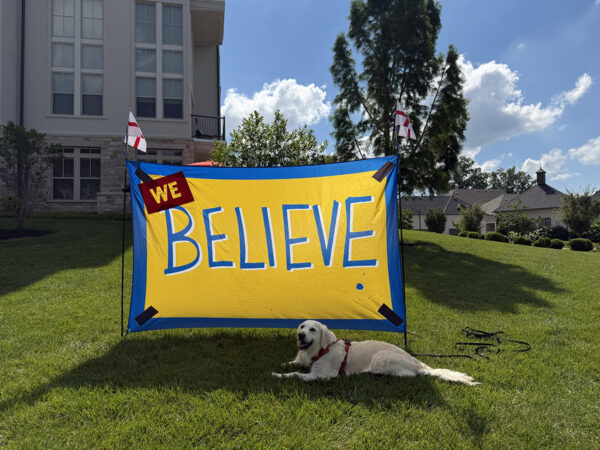
—The Tractics Crew (and Glenna)
Sources
- Flores, Cassandra Isobelle, and Emily Younker. “Chiefs and Sporting KC Leaders Say World Cup Brought Kansas City to International Stage.” KCUR, July 11, 2026. https://www.kcur.org/sports/2026-07-11/kansas-city-world-cup-cliff-illig-clark-hunt
- Williams, Josephfer. “Kansas City and KC2026 Share Updates as World Cup and FIFA Fan Fest Show Successful Numbers in KC Metro.” Spectrum News, July 1, 2026.
https://spectrumlocalnews.com/mo/kansas-city/news/2026/07/01/kansas-city-and-kc2026-share-updates-as-world-cup-and-fifa-fan-fest-show-successful-numbers-in-kc-metro - Rosenberg, Gabe. “What Kansas City Could Keep from This World Cup: A Giant Heart, Functional Transit, and Ambition.” KCUR, July 8, 2026. https://www.kcur.org/sports/2026-07-08/kansas-city-world-cup-heart-transit-fan-festival
- Gioino, Catherina. “The ‘Soccer Capital of America’ Is Now Gunning for the Soccer Capital of the World (Cup).”Fortune, July 11, 2026. https://fortune.com/2026/07/11/kansas-city-soccer-capital-america-world-cup-fifa/
- McMullen, Matt. “How the Kansas City Spirit Landed the FIFA World Cup.” Kansas City Chiefs, July 10, 2026. https://www.chiefs.com/news/how-the-kansas-city-spirit-landed-the-fifa-world-cup
- Overfelt Chifalu, Nikki. “Sports Leaders Who Tied Their Legacies to World Cup: KC Businesses, Fans Impressed the World.” Startland News, July 11, 2026. https://startlandnews.com/2026/07/hunt-illig-world-cup-score-card/
- Drape, Joe. “Kansas City, the Smallest World Cup Host, Has the World at Its Feet.” The New York Times, July 11, 2026.
- Kansas City Star. Reporting on World Cup activity at Taste of Brazil and River Market businesses. https://www.kansascity.com/news/local/article316235963.html
- Kansas City Star. Reporting on Joe’s Kansas City and other local restaurants during the World Cup. https://www.kansascity.com/living/food-drink/article316165373.html